How to Track Macros Without Losing Your Mind
Tracking macros sounds complicated, but the basics are simple. Here's how to set targets, log without obsessing, and let a photo do most of the work.
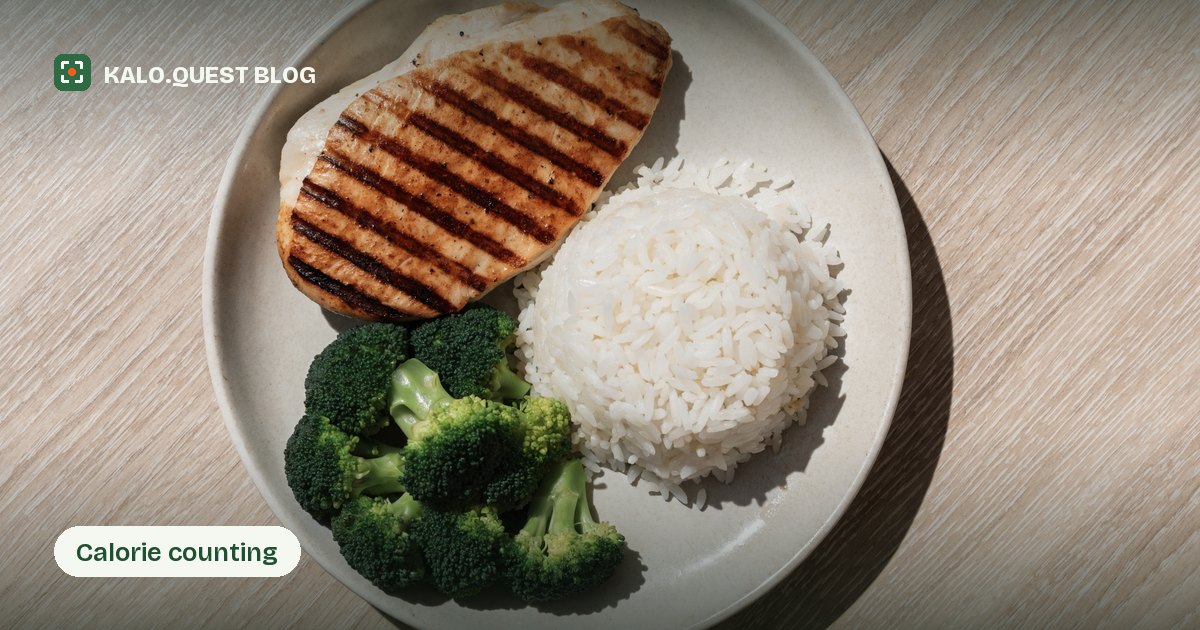
“Tracking macros” sounds like something only bodybuilders with color-coded spreadsheets do. It isn’t. At its core it’s just paying attention to three numbers instead of one. And once you see why those numbers matter, it becomes a genuinely useful habit rather than a fiddly chore.
Here’s how to start tracking macros in a way you’ll actually keep up.
What macros actually are
“Macros” is short for macronutrients, the three things that make up the calories in your food:
- Protein builds and preserves muscle, and keeps you full.
- Carbohydrates are your body’s main, quick-access fuel.
- Fat handles your hormones, absorption, and long-lasting energy.
Every calorie you eat comes from one of these three (alcohol aside). Counting only calories tells you how much energy you ate; tracking macros tells you what kind. And that “what kind” is the difference between losing fat while keeping muscle and just losing weight from everywhere.
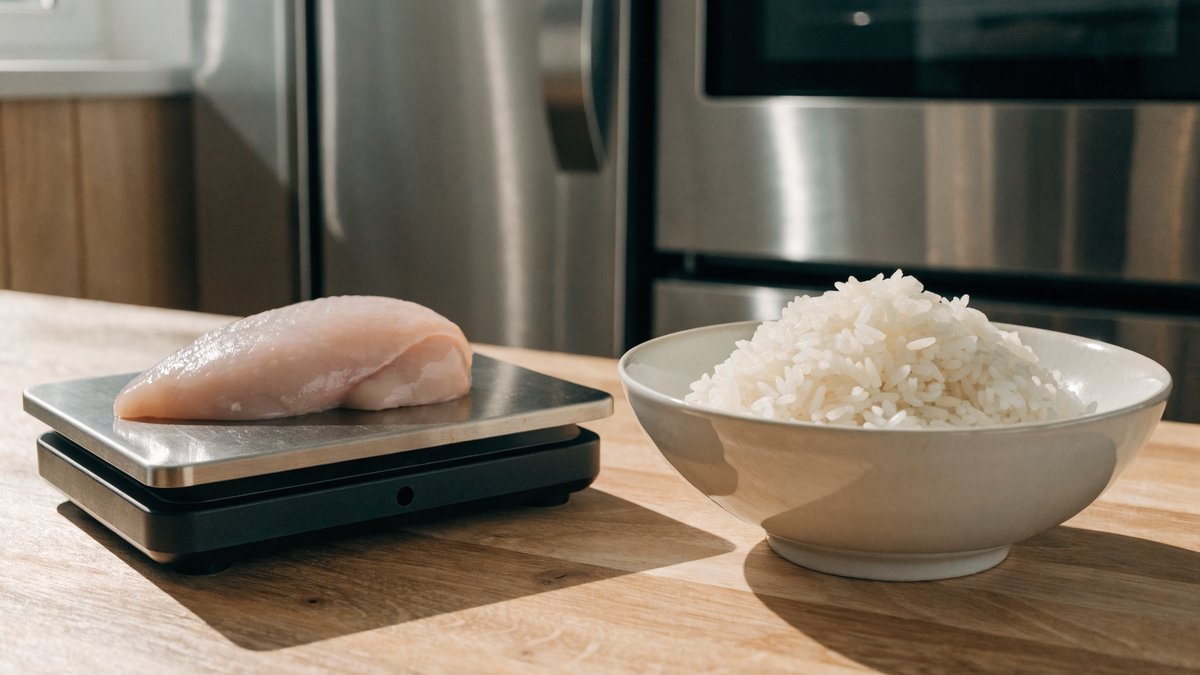
If total calories are still a fuzzy idea for you, get that foundation first with how many calories you should eat in a day. Macros are simply how you split that total up.
Why bother tracking macros at all?
Because two meals with identical calories can do very different things to your body.
A 500-calorie meal that’s mostly protein and vegetables keeps you full for hours and supports muscle. A 500-calorie meal that’s mostly refined carbs and fat can leave you hungry again soon after. Same calories, different outcome. Tracking macros is how you steer toward the first kind on purpose.
For most people chasing fat loss, the single macro worth prioritizing is protein. It protects muscle and controls appetite. If you only track one thing beyond calories, track that.
Setting simple targets
You don’t need a formula on day one. A reasonable starting split for someone losing weight looks roughly like this:
| Macro | Rough share of calories | Why |
|---|---|---|
| Protein | Highest priority | Satiety and muscle |
| Carbs | Flexible | Energy, especially if active |
| Fat | Enough, not endless | Hormones and absorption |
Most apps will turn a calorie target into gram goals for you. Treat those goals as a target to aim near, not a bullseye to hit exactly. Landing “close most days” is what produces results. Nobody nails their macros to the gram, and trying to is the fastest way to burn out.
Logging without obsessing
This is where macro tracking usually goes wrong. People start weighing every crumb, get overwhelmed, and quit within two weeks. Don’t do that. A few rules keep it sane:
- Log the big rocks first. Your protein source, your main carb, your added fats. These drive most of the numbers.
- Estimate the small stuff. A splash of sauce or a few crackers won’t make or break your day.
- Aim for consistent, not perfect. A steady rough log beats an exact log you abandon.
The biggest friction is the logging itself. The old way, searching a database, picking the “right” entry, guessing the portion, is exactly what makes people give up. Snapping a photo of the plate and letting the numbers come back removes most of that. If you eat out a lot, the same approach saves you at restaurants too; more on that in how to count calories when eating out.
How to track macros in four simple steps
If you want a concrete starting routine, here’s how to track macros without it taking over your life.
- Set a calorie target first. Macros are just a way of dividing your calories, so the total comes first. Work it out from your body and goal, then split it up.
- Set a protein floor. Decide on a daily protein number and treat it as the one target you really try to hit. Everything else is flexible.
- Log as you go, not at midnight. Record meals when you eat them, while portions are fresh in your memory. Trying to reconstruct a whole day from memory at night is where accuracy, and motivation, go to die.
- Review weekly, not hourly. Look at your averages over a week. One high-fat day or one low-protein day means nothing; the pattern is what counts.
That’s the entire system. The reason most people fail at how to track macros isn’t the math. It’s the friction of step three, the logging. Make logging fast and the habit survives; make it a chore and it dies in two weeks. This is exactly why a photo-first approach helps: you capture the meal in the moment, get the protein, carbs, and fat back, and move on before the friction has a chance to build up.
The 80/20 of macro tracking
If you remember nothing else: hit your protein, keep your calories in the right range, and don’t sweat the exact carb-to-fat split. That covers most of the benefit for a fraction of the effort. You can fine-tune later, once the habit is automatic.
And you don’t have to track forever. Most people log closely for a few weeks, build an accurate mental sense of portions and protein, then coast on that intuition, checking in with the app only when they want to reset or push toward a new goal. Tracking is a skill you learn, not a sentence you serve.
Where to start
Tonight, at dinner: look at your plate and find the protein. That’s the entire first step. Add a calorie target tomorrow, let the carb-to-fat split take care of itself for a few weeks, and review your averages on Sundays. Start loose, stay consistent, tighten only if you need to.
For the logging itself, Kalo.Quest reads calories and macros from one photo of the plate. It’s a free download for iPhone and Android, with no sign-up standing between you and your first meal.
This article is general information, not medical advice. For personal guidance, talk to a healthcare professional.