How Much Protein Do You Really Need Per Day?
How much protein per day depends on your weight, goals and activity. Here are simple ranges, why protein matters, and easy ways to hit your target.
Protein is the one macronutrient almost everyone under-eats and over-thinks at the same time. People worry about the exact gram, then end up short anyway because they never actually check. The truth is that “how much protein per day” has a simple, forgiving answer, a range, not a magic number, and getting into that range does most of the work.
Let’s sort out how much you need and how to actually get it.
Why protein matters more than the other macros
Protein pulls triple duty, which is why it’s worth prioritizing:
- It keeps you full. Protein is the most satiating macronutrient, so protein-forward meals curb hunger better than the same calories from carbs or fat.
- It protects muscle. When you lose weight, you want to lose fat, not muscle. Eating enough protein (with some resistance training) tells your body to hold onto muscle.
- It costs energy to digest. Your body burns a bit more processing protein than it does carbs or fat, a small but real bonus.
That combination, fuller, more muscle, slightly higher burn, is exactly what you want when eating in a calorie deficit. Protein makes the deficit more comfortable and more effective at once.
The simple ranges
Protein needs scale with your body weight and how active you are. Rather than a single figure, think in ranges:
| If you are… | A reasonable daily target |
|---|---|
| Fairly sedentary | Toward the lower end of your range |
| Active or exercising | Toward the middle |
| Losing weight or lifting regularly | Toward the higher end |
The common guidance lands somewhere around 0.7 to 1 gram of protein per pound of body weight for active people and those losing weight. Higher than the bare minimum for survival, because your goal here is body composition, not just avoiding deficiency. If precise grams feel abstract, remember it’s a target to aim near, not a line to hit exactly.
What that looks like on a plate
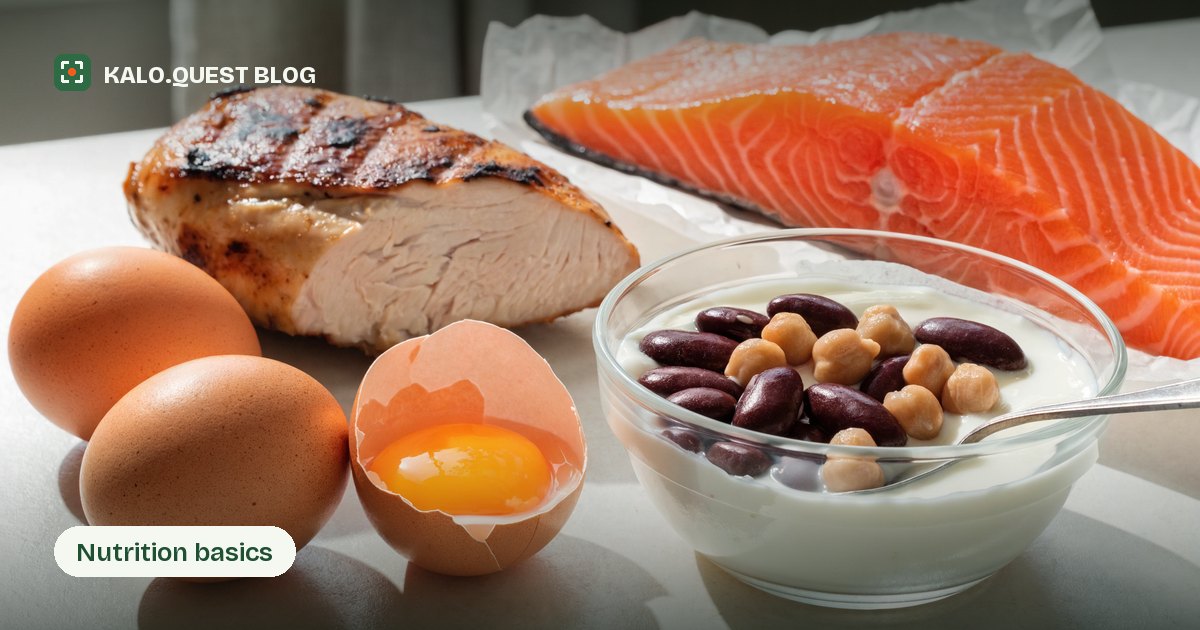
Numbers get real when you translate them into food. Rough protein content of common portions:
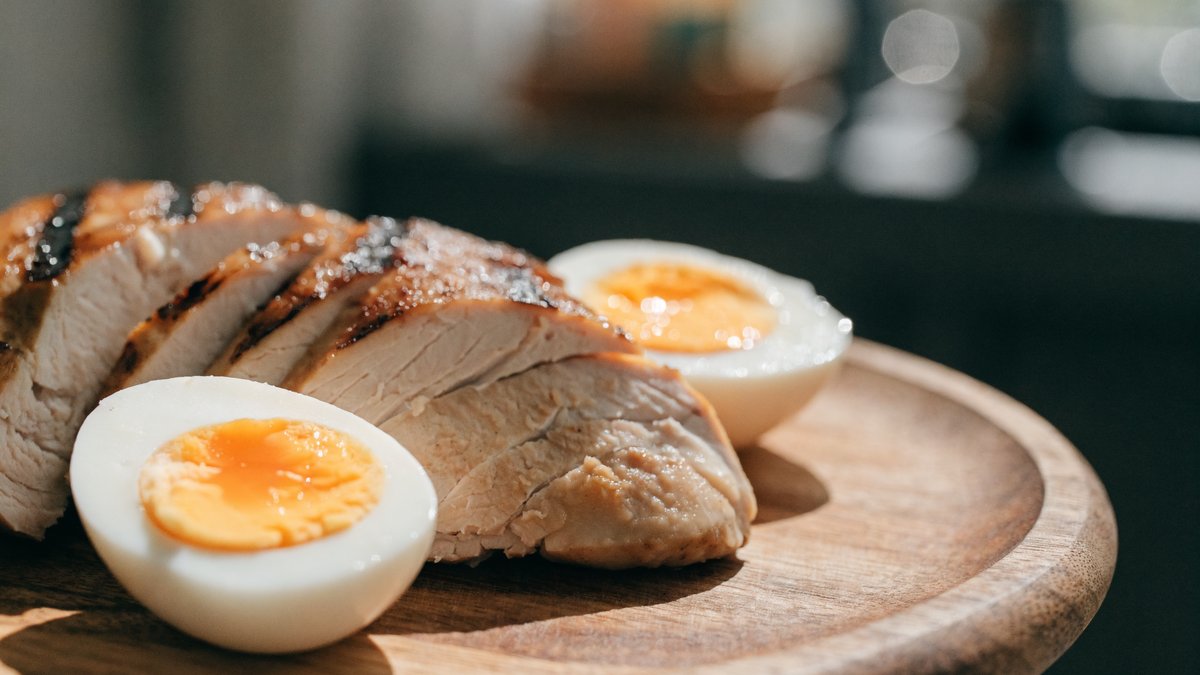
- A palm-sized piece of chicken, fish, or lean meat
- Two to three eggs
- A cup of Greek yogurt or cottage cheese
- A scoop of protein powder
- A cup of lentils, beans, or tofu
Put a solid protein source in every meal and a protein-forward snack or two, and most people land comfortably in range without doing any math. Spreading it across the day, rather than one giant dinner, also helps with fullness.
Eating mostly plants? You can absolutely hit your target. It just takes a little more intention. Tofu, tempeh, edamame, lentils, beans, and seitan are the heavy hitters, with smaller amounts coming from whole grains, nuts, and seeds. Because plant portions tend to carry fewer grams per serving than a chicken breast, it’s worth being a bit more deliberate, and a protein shake can quietly close any gap on busy days.
Easy ways to hit your target
If you regularly fall short, a few habits close the gap fast:
- Anchor each meal with protein first, then build the rest of the plate around it.
- Keep quick options on hand. Yogurt, eggs, canned fish, edamame.
- Check where you actually land. Most people badly misjudge their protein until they see it.
That last point is the quiet one. It’s genuinely hard to eyeball grams of protein across a day, which is why it helps to track it rather than guess. Tracking protein is really just a slice of tracking your macros. And a photo-based tool gives you the protein number along with the calories, without a database search.
Does timing matter, or just the daily total?
Once people settle how much protein per day they need, the next worry is usually when to eat it. The reassuring answer: the daily total matters far more than the timing. Hitting your target across the day is the main event; the schedule is a minor detail.
That said, a couple of small habits help you actually reach the total and feel better doing it:
- Spread it across meals. Landing a chunk of protein at each meal, rather than a tiny breakfast and a giant steak at night, keeps you fuller through the day and is simply easier to hit. It may also be marginally better for maintaining muscle.
- Don’t stress the post-workout window. The old idea that protein must be slammed within minutes of training has been massively oversold. As long as you’re eating enough over the day, the exact minute barely registers.
- Anchor breakfast with protein. It’s the meal people most often skimp on, and a protein-light breakfast leaves a large gap to make up later. Eggs, yogurt, or cottage cheese fix it in seconds.
So: chase the daily number, spread it sensibly, and let go of the stopwatch. Consistency over the week beats perfect timing on any single day, the same principle that governs calories and every other part of eating well.
One habit to take away
If this whole article compresses down to one move, it’s this: put a real protein source in every meal, starting with breakfast, and lean toward the higher end of your range while you’re losing weight or lifting. Do that for two weeks, then check where you actually landed. Most people close their protein gap without ever touching a calculator.
The checking is the easy part now. Snap your plate with Kalo.Quest and the protein grams show up right next to the calories. No account to create, nothing to pay, and it works the same on iPhone and Android.
This article is general information, not medical advice. For personal guidance, talk to a healthcare professional.