
The Best Way to Track Calories for Beginners
Research says logging frequency beats logging precision. How the four methods compare, which to start with, and a first week that survives month two.
Kalo.Quest Blog
Photographing a meal is the fastest way to log it and the least precise, and both halves of that sentence matter. These guides describe what an image model can actually read from a plate: a food it can name, a portion it can size against the dish, a count it can make. They are equally plain about what never reaches the lens (the oil a dish was cooked in, the filling inside a wrap) and about how to correct an estimate once you see it. General information, not medical advice.
5 guides · last updated October 3, 2026
Research says logging frequency beats logging precision. How the four methods compare, which to start with, and a first week that survives month two.
Hand portions, the plate method, posted menu calories and photo logging: four no-scale ways to count, and where each one loses its accuracy.
Health apps without an account keep their data on the device. What that buys you, what it costs you, and four tests that show which kind you installed.
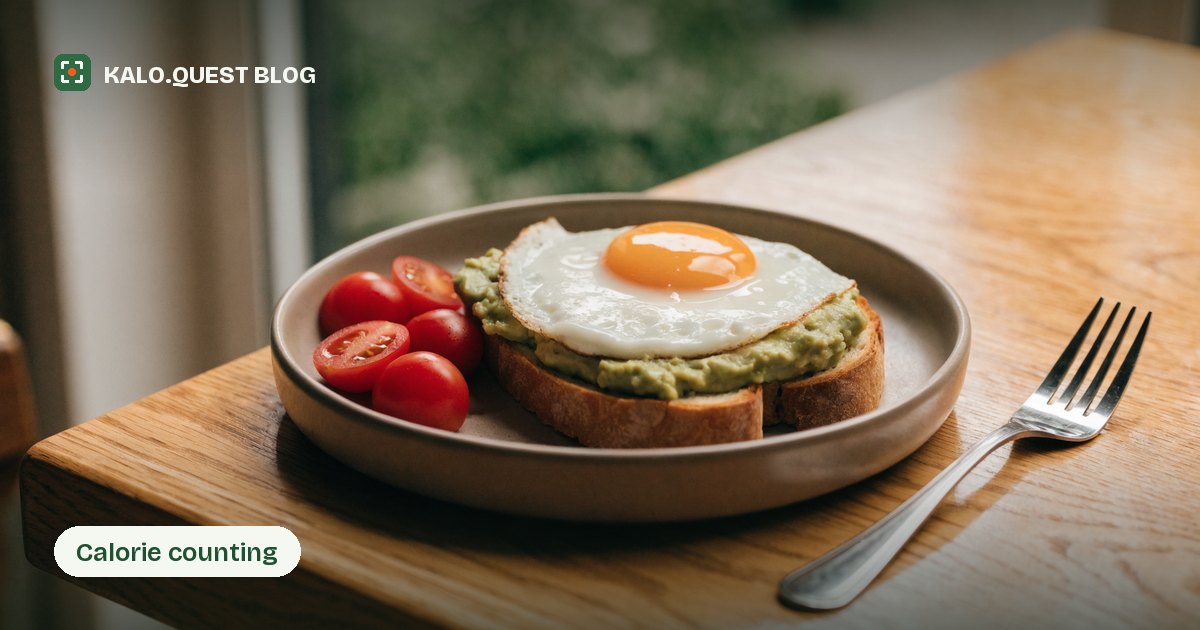
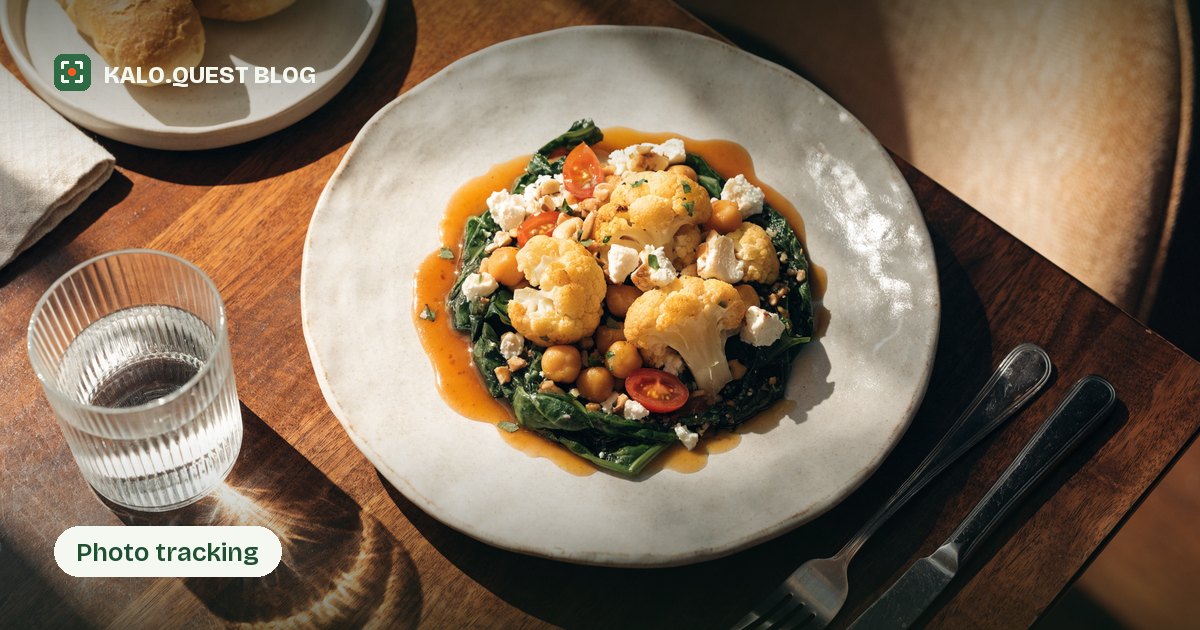
How to count calories from a photo: what the AI reads, how accurate the estimate is, and five habits that make your numbers far more reliable.
How to count calories when eating out: which US chains must post calories, what a restaurant meal really costs you, and how to estimate the rest.
One question from each guide below, answered here. Follow a question to the guide that works through it in full.
Three weeks, read as three weekly weight averages against three weeks of logs. Anything shorter is dominated by water and glycogen shifts rather than by energy balance. After that first block, most people find the daily work drops sharply, which matches the Harvey finding that average logging time fell from 23.2 minutes a day in month one to 14.6 minutes by month six.
The Best Way to Track Calories for Beginners →Expect to be within roughly a quarter of the true amount on solid foods, and further off on anything mixed, fried or sauced. That level of error is tolerable because it repeats: if you overestimate rice by the same margin every day, the trend on the scale is still honest. What breaks a log is not the size of the error but its variability, and the meals you never record at all.
How to Track Calories Without Weighing Your Food →They remove one category of risk completely: with no server holding your history, no server breach can expose it. They do nothing about a lost or unlocked phone, which becomes the single copy of everything. Set a passcode and keep the system backup on.
Health Apps Without an Account: What Stays on Your Phone →No. The image has to be analyzed on a server, so the phone needs a connection at the moment you submit the photo. Everything else in Kalo.Quest works offline: the day's log, the weight and activity history, the weekly and monthly averages, and the progress photos, which stay on the phone. Only the analysis step requires a network.
How to Count Calories From a Photo Accurately →Up. Urban and colleagues found that 92% of the restaurant meals they measured exceeded typical energy requirements for a single eating occasion, and that independent restaurants matched the large chains for portion size. Systematic underestimation is the failure mode that quietly closes a deficit, so when two plausible figures present themselves, record the larger one.
How to Count Calories When Eating Out →