
High-Protein Snacks That Actually Keep You Full
The high-protein snacks that hold hunger carry at least 10 grams for under 200 calories. See the USDA numbers, the portable ones, and the duds.
Kalo.Quest Blog
Weight loss follows from a calorie deficit held long enough to show on the scale, and nearly every difficulty hides in that last clause. These guides take on the parts people get stuck on: how large a deficit to aim for, why weight can sit still for three weeks while the deficit is real, what the 3,500-calories-per-pound rule does and does not predict, and which foods fill a plate without filling the day's budget. Safety limits are stated where they apply, with the source named in the sentence. General information, not medical advice.
9 guides · last updated October 9, 2026
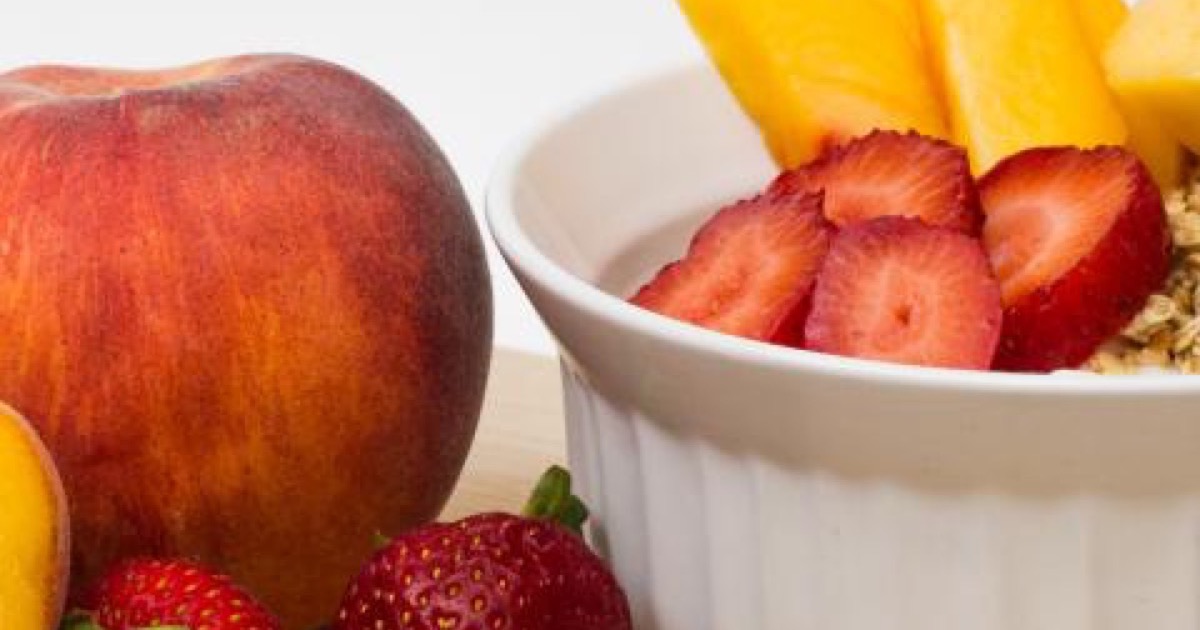
The high-protein snacks that hold hunger carry at least 10 grams for under 200 calories. See the USDA numbers, the portable ones, and the duds.

A high-protein breakfast means about 25 to 30 grams before you leave. Ten options with the protein and calories per portion, from USDA figures.
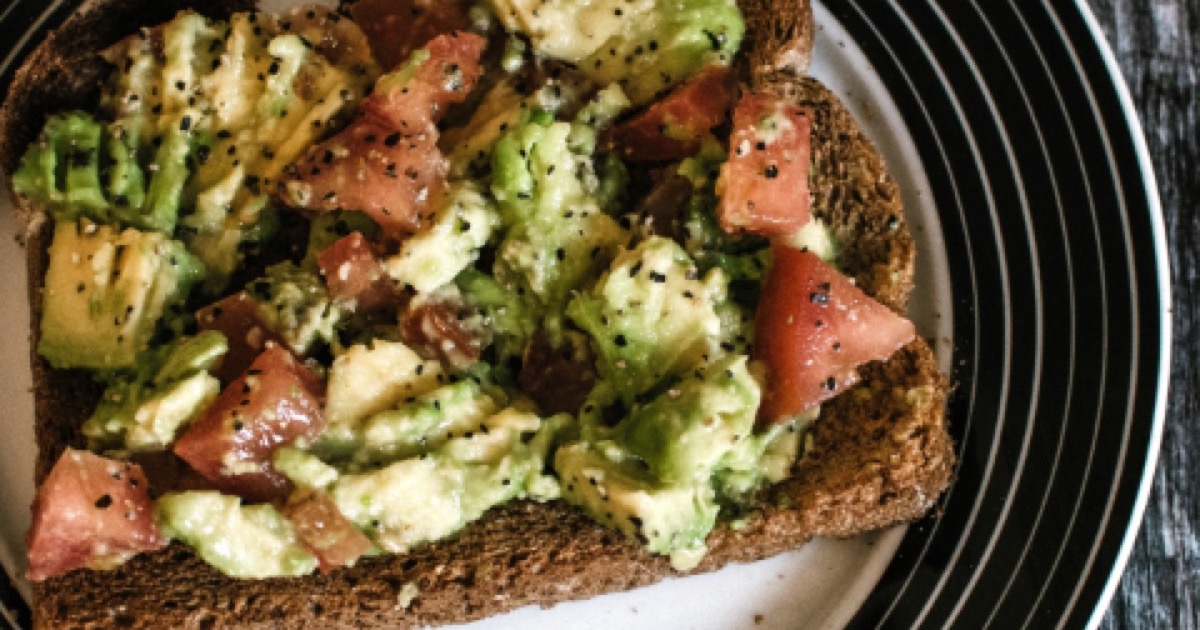
A stalled scale usually means the deficit is smaller or shorter than it looks. The four common causes, in the order they are worth checking.
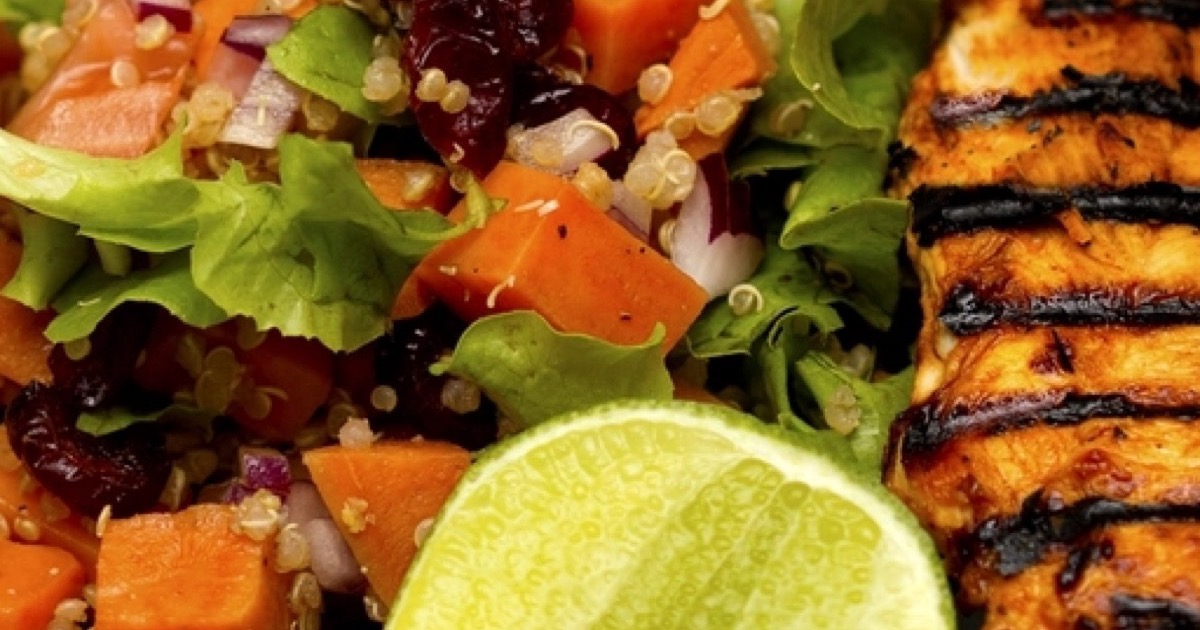
The 3,500-calorie rule is an estimate, not a law. Where the number came from, why it overshoots, and how to turn it into a weekly target that holds.
The calorie counting mistakes that hide hundreds of calories a day: unlogged oil, drinks, servings read as portions, and weekends that never get logged.
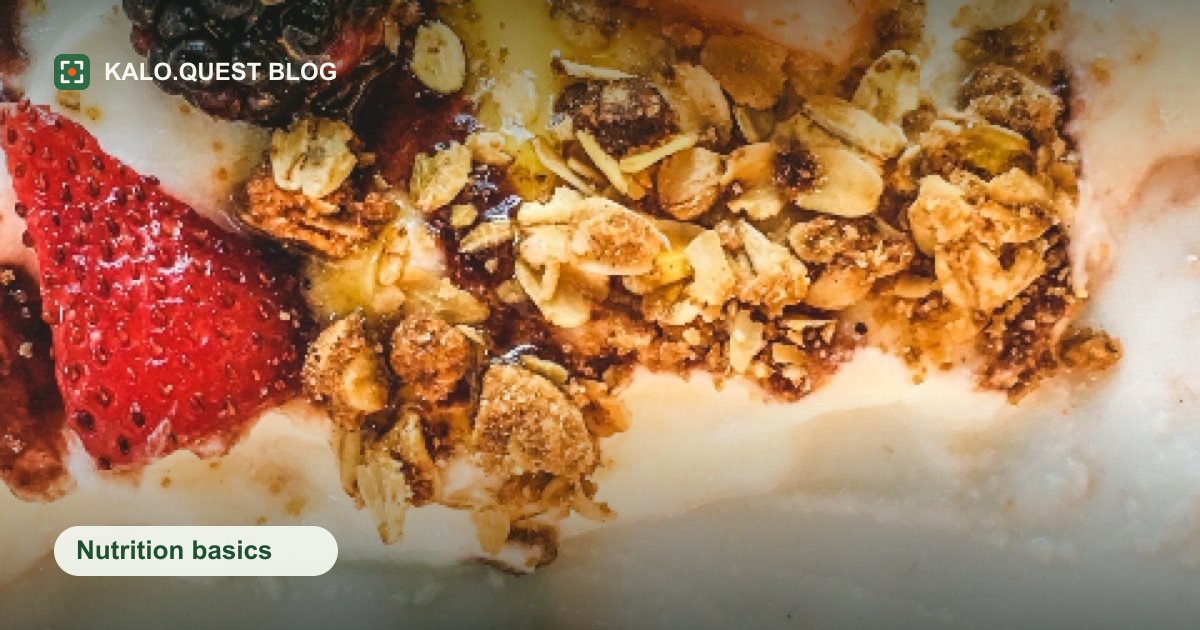
Fifteen healthy snacks under 200 calories, with USDA calorie and protein figures per real portion, grouped by protein, produce and whole grains.
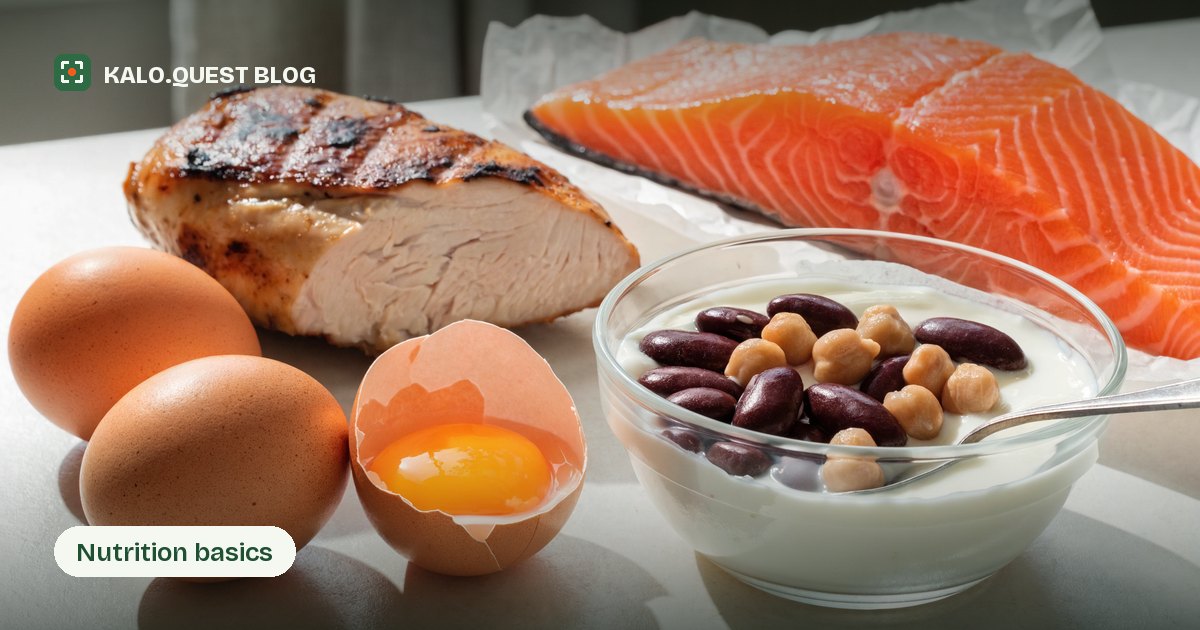
How much protein per day do you need? Start at the 0.8 g/kg RDA, then see the higher ranges for weight loss and training, with grams per real portion.
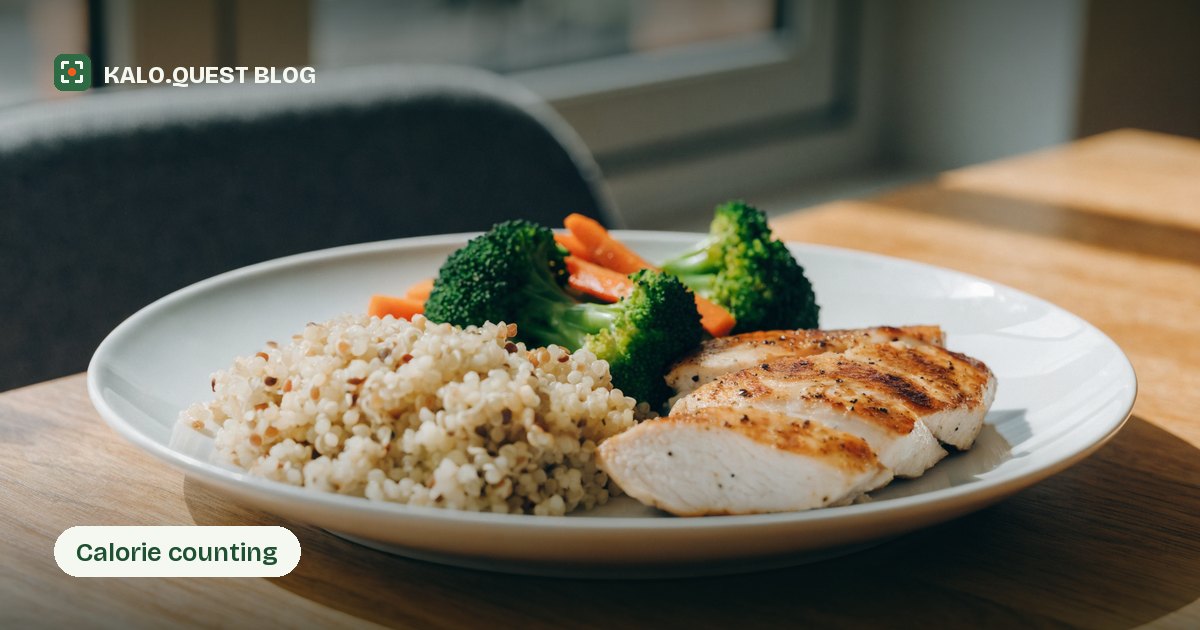
A calorie deficit means eating less than you burn. Here is how big to make it, how to tell it is real, and the safety limits that apply to it.
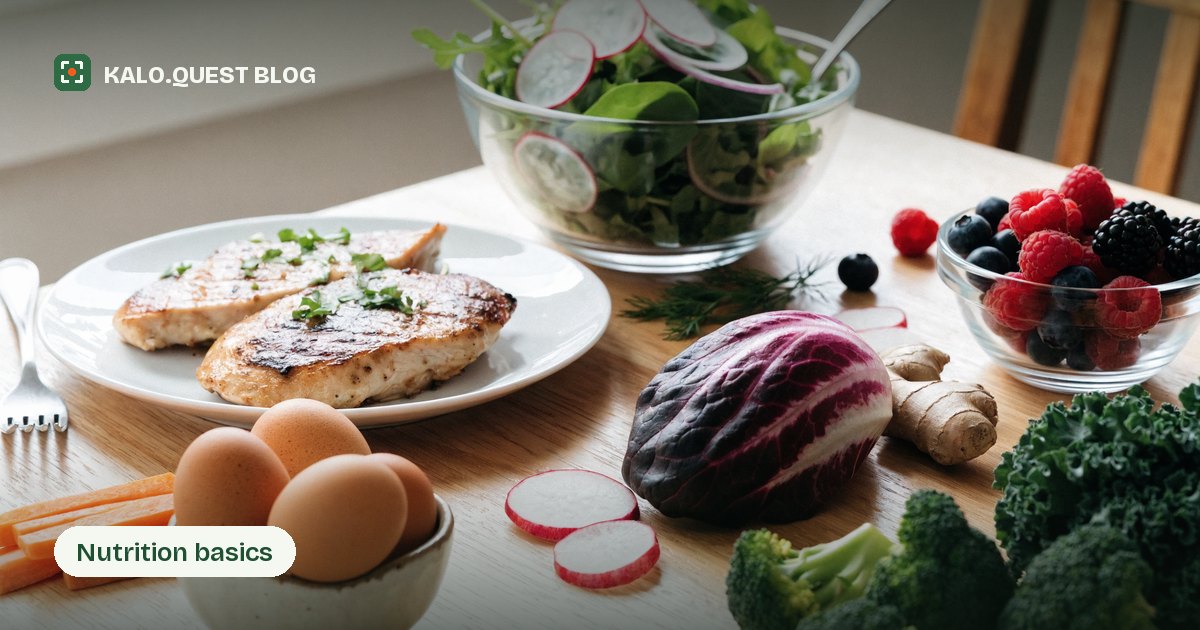
The best foods for weight loss keep you full on fewer calories. See the calories and protein per portion, the plate shape, and what to measure.
One question from each guide below, answered here. Follow a question to the guide that works through it in full.
At least 10 grams, and ideally 6 grams or more per 100 calories, if the point of the snack is to postpone the next meal. Below that ratio the snack is mostly carbohydrate or fat and behaves accordingly. Snacks are not obliged to hit a protein target at all, but the ones that do are the ones that reliably stop hunger rather than briefly interrupting it.
High-Protein Snacks That Actually Keep You Full →No. The 25 to 30 gram figure in the Leidy review is a per-meal recommendation, not a ceiling, and the older claim that the body can only use 20 or 30 grams per sitting has not held up in the evidence on daily totals. Harvard T.H. Chan School of Public Health places the acceptable range for protein at 10% to 35% of daily calories, which on a 2,000-calorie day allows about 175 grams.
10 High-Protein Breakfast Ideas to Start Your Day →Yes, on the scale and for short periods. Salt, carbohydrate refeeding, a new training program, poor sleep and constipation all add water or mass without adding fat, and any of them can outweigh a week of fat loss. Kreitzman and colleagues documented the glycogen and water version of this in 1992. Read weekly averages across three weeks before treating an increase as real.
Why Am I Not Losing Weight in a Calorie Deficit? →It is right about tissue and wrong about time. A pound of body fat really does hold about 3,500 calories, the figure Wishnofsky published in 1958. Applied as a weekly forecast it overshoots, because expenditure falls as body weight falls. Thomas and colleagues demonstrated the overestimate against supervised trials in 2013 and recommended dynamic models instead. Keep the rule for setting a target, not for predicting a date.
How Many Calories to Lose a Pound? →The published estimates are large. Lichtman and colleagues measured a gap of just over 1,000 calories a day between what participants reported and what they ate, and the CDC's 145-calorie daily average from sugar-sweetened beverages is one item inside a gap that size. A deficit of 500 calories a day disappears entirely inside errors of that scale.
7 Common Calorie Counting Mistakes (and How to Fix Them) →That depends entirely on the calorie target, since snacks are not a separate budget. A person eating 1,600 calories a day with three meals of about 450 calories has roughly 250 calories left, which is one snack from these lists rather than three. The number of snacks is an output of the daily total, never an input to it.
15 Healthy Snacks Under 200 Calories →Not meaningfully. The ranges from Leidy and colleagues are daily averages built on body weight, not on training volume, and muscle repair continues for days after a session. Keeping intake steady across the week is simpler to execute and easier to hit than adjusting up and down, and simplicity is what determines whether the target is actually reached.
How Much Protein Per Day Do You Need? →Yes, and it is common in the first two weeks. Body weight moves a pound or two from water, sodium, carbohydrate stores and food still in transit, and those movements are larger day to day than the fat you lose in the same period. Judge a deficit on a weekly average across at least two to three weeks, never on a single morning.
What Is a Calorie Deficit? A Practical Guide →No. No food costs more energy to digest than it supplies, and celery is the usual example given for a claim that has never been demonstrated. What does exist is the range in the table above: 35 calories for 100 grams of cooked broccoli against 248 for a cup of brown rice. Very low, not negative, is the honest description.
Best Foods for Weight Loss: What Keeps You Full →