
High-Protein Snacks That Actually Keep You Full
The high-protein snacks that hold hunger carry at least 10 grams for under 200 calories. See the USDA numbers, the portable ones, and the duds.
Kalo.Quest Blog
Macros are the three nutrients that carry the calories in your food (protein, carbohydrate and fat), and fiber is the part of a carbohydrate your body does not absorb. This section explains what each one does, how much of it a day is commonly recommended, and how many grams sit in a portion you would actually serve yourself. Figures are attributed where they appear: USDA FoodData Central for the foods, the Dietary Reference Intakes set by the National Academies for the daily amounts, and named trials for anything contested. General information, not medical advice.
11 guides · last updated October 9, 2026
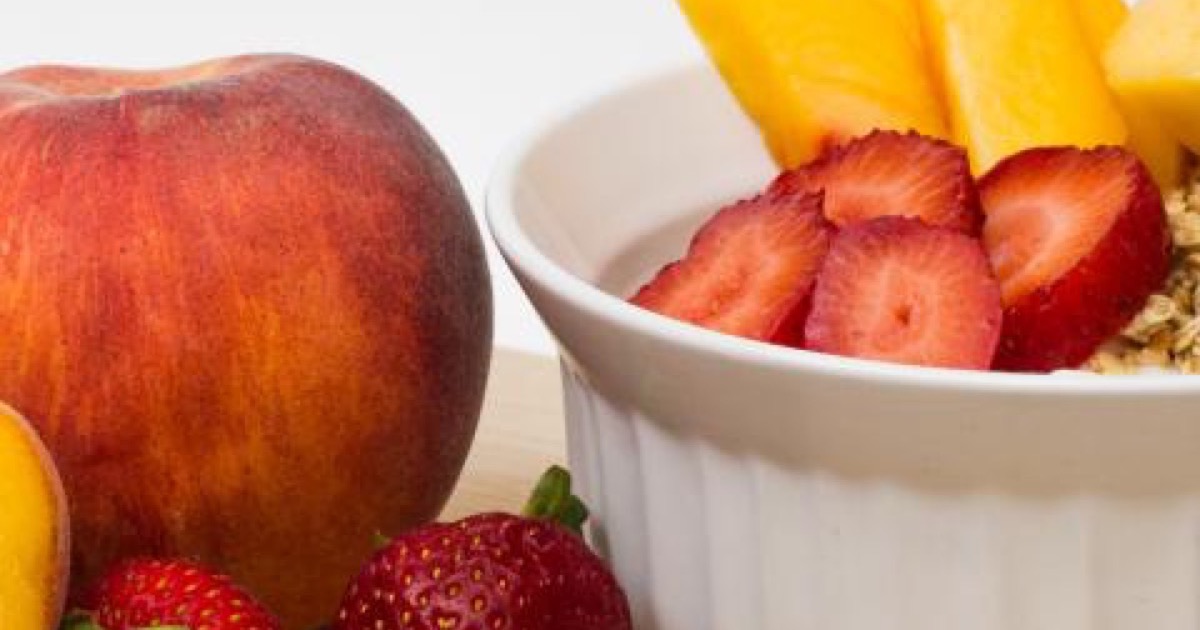
The high-protein snacks that hold hunger carry at least 10 grams for under 200 calories. See the USDA numbers, the portable ones, and the duds.
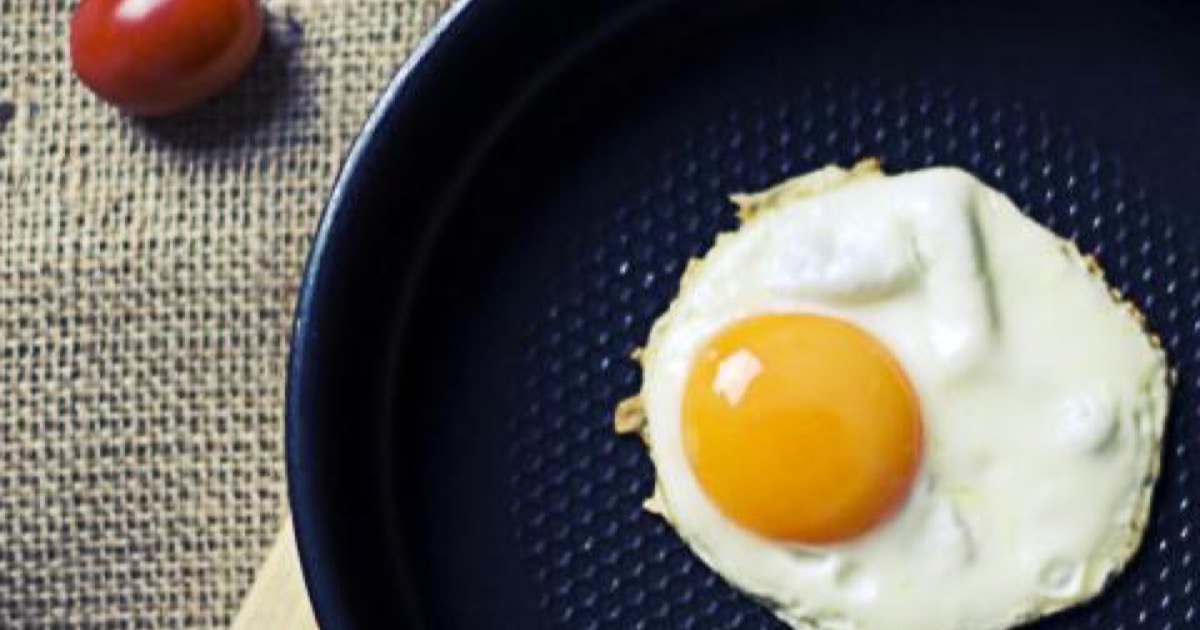
A high-protein breakfast means about 25 to 30 grams before you leave. Ten options with the protein and calories per portion, from USDA figures.
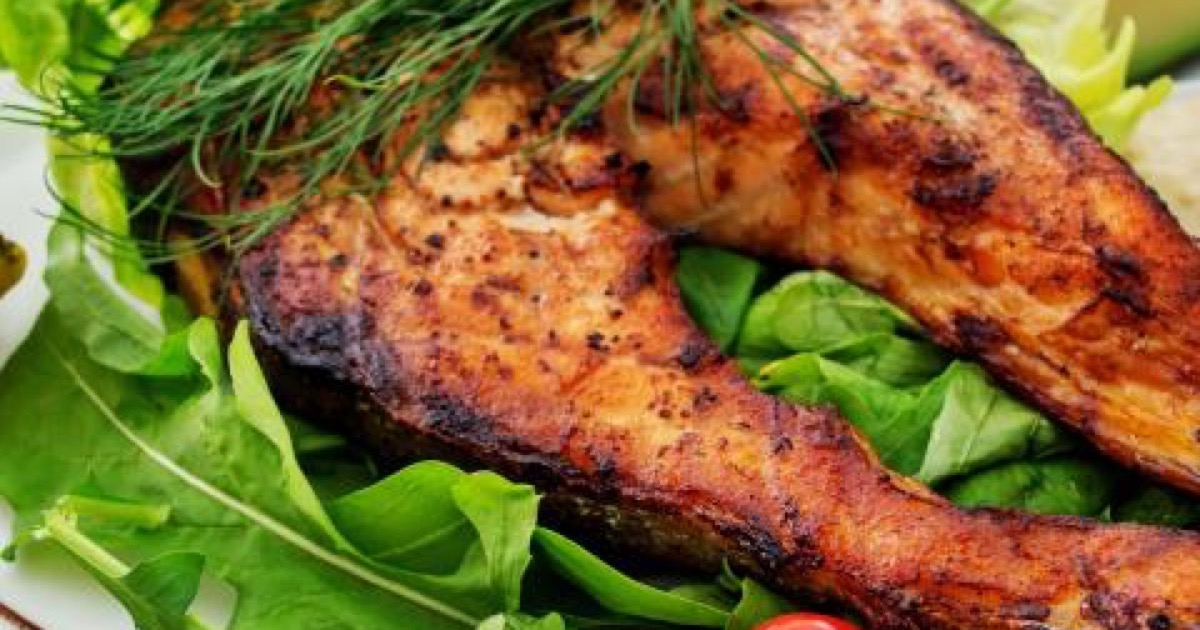
Maintenance calories are the intake at which your weight holds. A formula estimates them; three weeks of eating and weighing measures them properly.
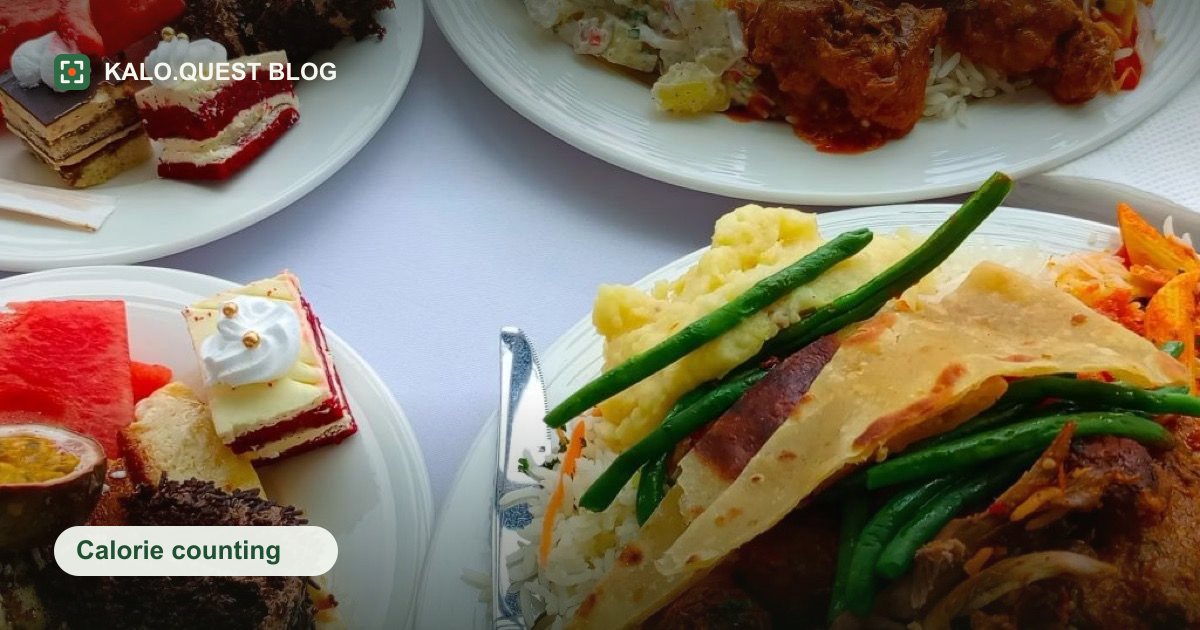
Calories vs macros: calories are the total energy in food, macros are the three nutrients carrying it. Which number to track, and what each one decides.
How to estimate portion sizes without a scale: palm for protein, cupped hand for carbs, thumb for fats, fist for vegetables, calibrated once by weighing.
Read a Nutrition Facts panel in four passes: servings per container, serving size, calories, then the FDA rule of 5 and 20 on the percent Daily Value.
Fifteen healthy snacks under 200 calories, with USDA calorie and protein figures per real portion, grouped by protein, produce and whole grains.
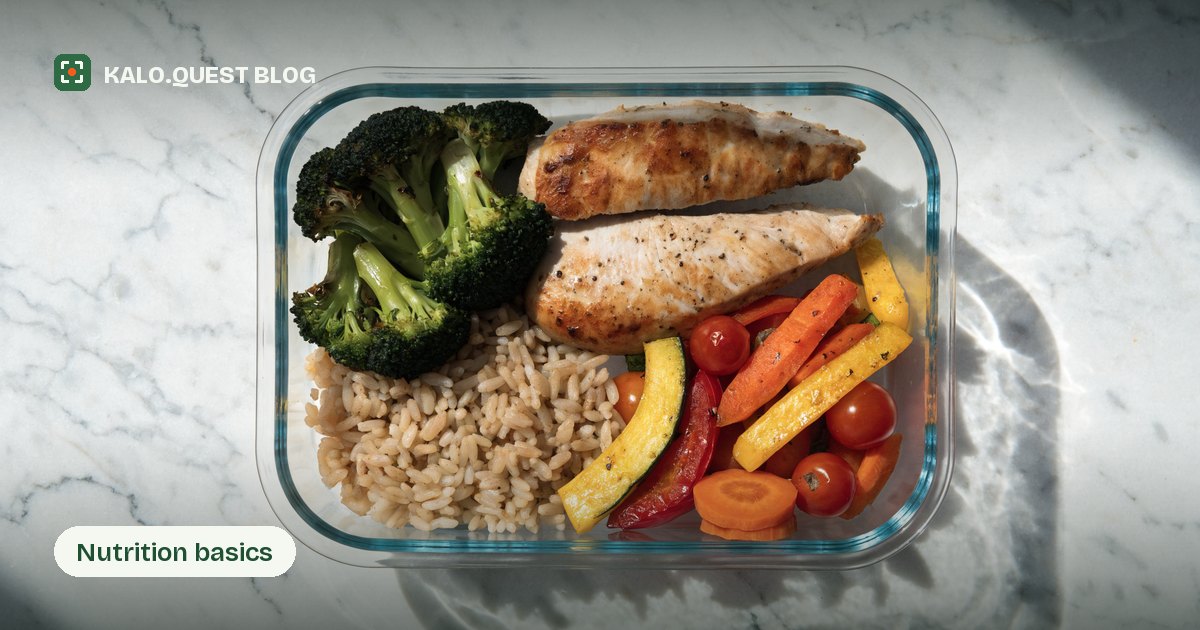
How many calories should you eat a day? Get your number from the Mifflin-St Jeor formula, adjust it for your goal, then let two weeks of data confirm it.
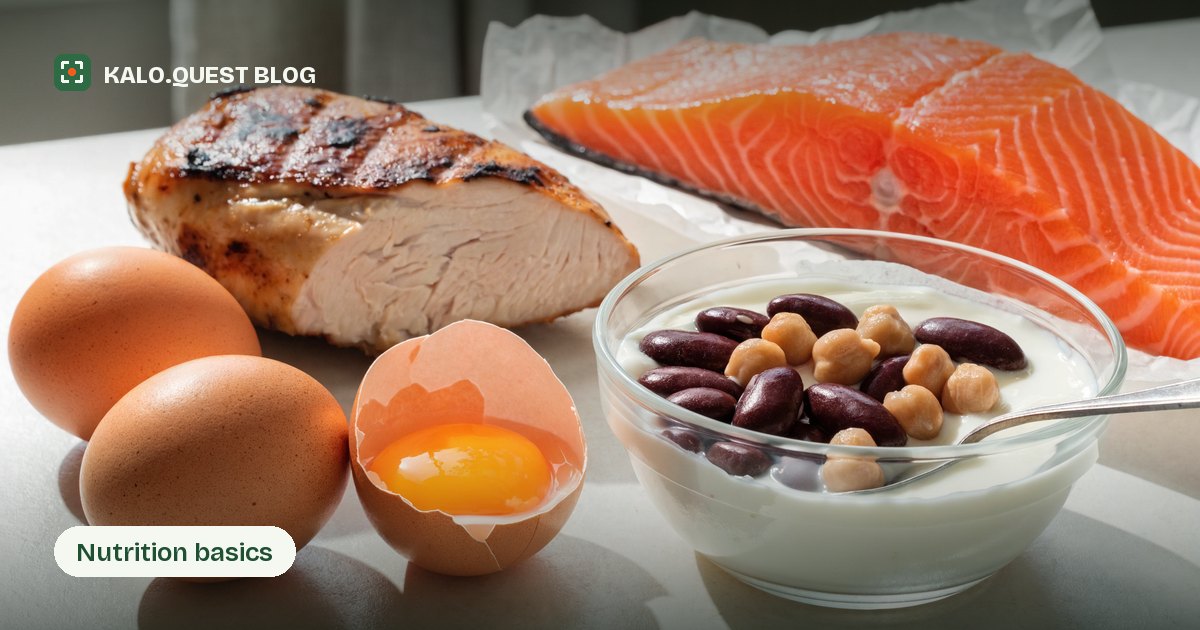
How much protein per day do you need? Start at the 0.8 g/kg RDA, then see the higher ranges for weight loss and training, with grams per real portion.
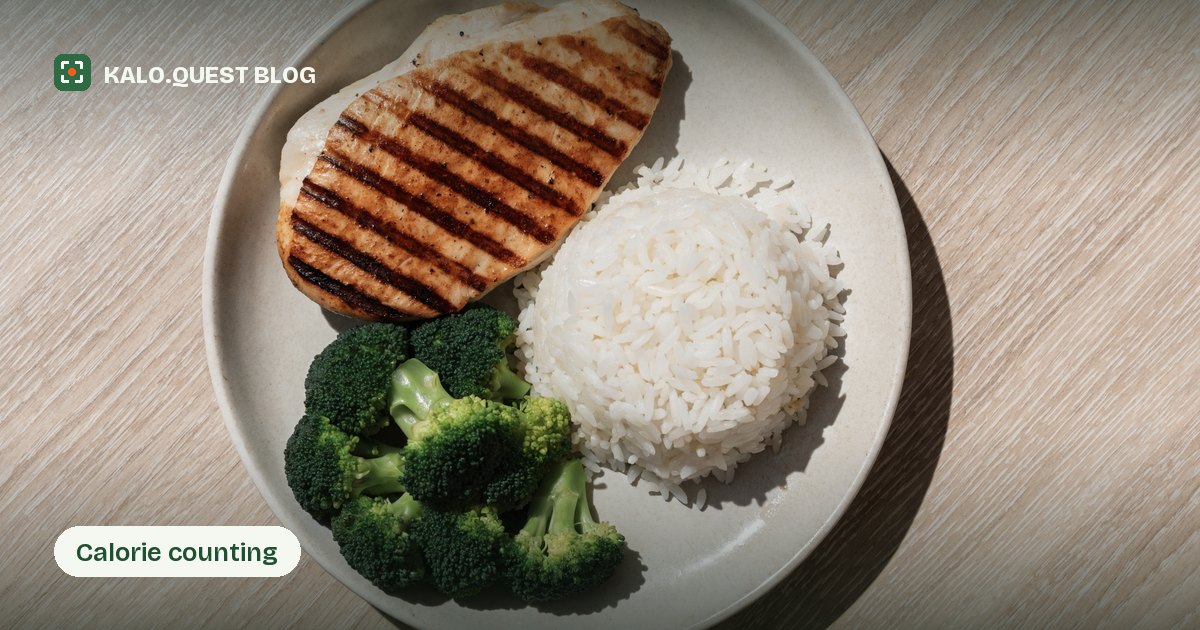
How to track macros without it taking over your day: set targets from your calories, log the big items, and let one photo return protein, carbs and fat.
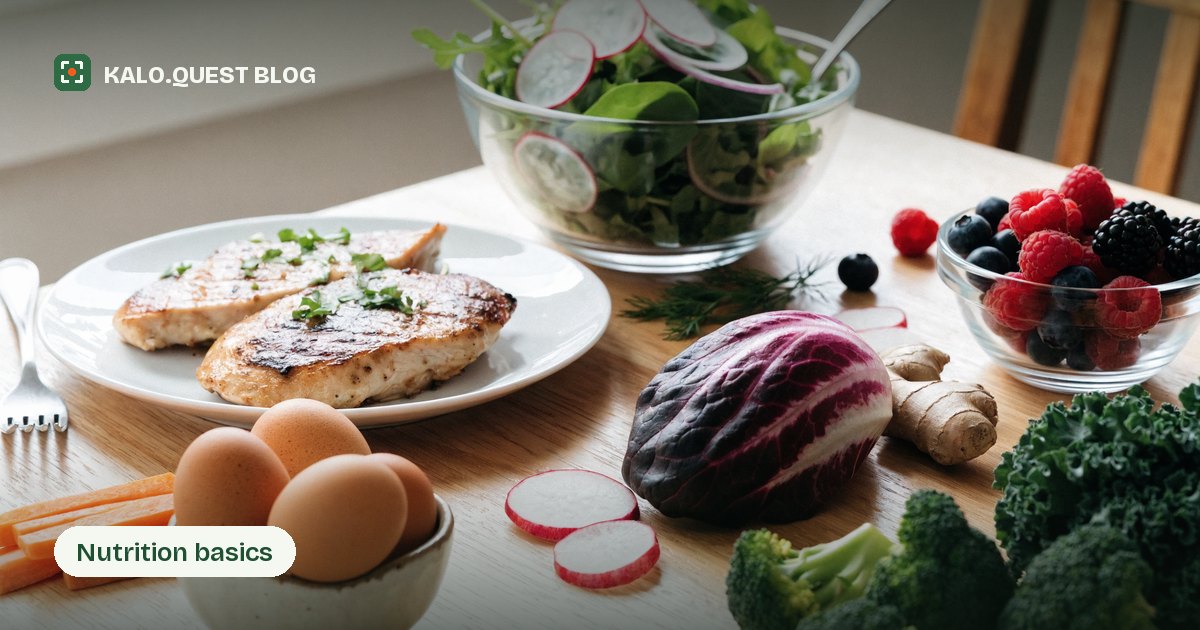
The best foods for weight loss keep you full on fewer calories. See the calories and protein per portion, the plate shape, and what to measure.
One question from each guide below, answered here. Follow a question to the guide that works through it in full.
At least 10 grams, and ideally 6 grams or more per 100 calories, if the point of the snack is to postpone the next meal. Below that ratio the snack is mostly carbohydrate or fat and behaves accordingly. Snacks are not obliged to hit a protein target at all, but the ones that do are the ones that reliably stop hunger rather than briefly interrupting it.
High-Protein Snacks That Actually Keep You Full →No. The 25 to 30 gram figure in the Leidy review is a per-meal recommendation, not a ceiling, and the older claim that the body can only use 20 or 30 grams per sitting has not held up in the evidence on daily totals. Harvard T.H. Chan School of Public Health places the acceptable range for protein at 10% to 35% of daily calories, which on a 2,000-calorie day allows about 175 grams.
10 High-Protein Breakfast Ideas to Start Your Day →Three weeks of consistent eating and daily weighing, read as three weekly averages. Shorter windows are dominated by water and glycogen shifts rather than by energy balance, which is why a flat week or a heavy week proves very little on its own. If the three weekly averages hold within about a pound, the intake you ate is your maintenance level.
Maintenance Calories: What They Are and How to Find Yours →Yes, but only because macros contain calories. Hitting fixed gram targets for protein, carbohydrate and fat fixes the calorie total automatically, since the three multiply out at 4, 9 and 4 calories per gram. Tracking macros without noticing the total is not a different mechanism, it is the same mechanism with an extra step and more room for arithmetic to slip.
Calories vs Macros: What's the Difference? →For most people, yes, provided it is calibrated once and used consistently. Direction matters more than precision: a method that is 15% off in the same direction every day still shows a real trend on the scale over a month. What defeats weight loss is not a rough estimate, it is an incomplete log with meals missing from it entirely.
How to Estimate Portion Sizes With Your Hand →Yes, in the United States. Total Carbohydrate on the FDA panel includes dietary fiber, and fiber grams are listed underneath as a subcategory rather than deducted. The "net carbs" figure some brands print on the front of the box is not an FDA-defined term and does not appear on the Nutrition Facts panel, so it cannot be compared across products the way %DV can.
How to Read a Nutrition Label (Without Overthinking It) →That depends entirely on the calorie target, since snacks are not a separate budget. A person eating 1,600 calories a day with three meals of about 450 calories has roughly 250 calories left, which is one snack from these lists rather than three. The number of snacks is an output of the daily total, never an input to it.
15 Healthy Snacks Under 200 Calories →On a nutrition label, yes. One food Calorie equals one kilocalorie, which is 1,000 of the small calories used in physics. American labels write "Calories" and most scientific sources write "kcal" for the same quantity, which is why USDA FoodData Central lists energy in kcal. A 500-kcal meal and a 500-Calorie meal are identical.
How Many Calories Should You Eat a Day? →Not meaningfully. The ranges from Leidy and colleagues are daily averages built on body weight, not on training volume, and muscle repair continues for days after a session. Keeping intake steady across the week is simpler to execute and easier to hit than adjusting up and down, and simplicity is what determines whether the target is actually reached.
How Much Protein Per Day Do You Need? →Calories alone determine weight change, so counting them is enough for that one purpose. Macros matter for what the weight is made of: protein intake is what preserves lean mass while you lose fat. If you only add one number to your calorie count, add protein grams and leave carbohydrate and fat unmonitored.
How to Track Macros: A Beginner's Guide →No. No food costs more energy to digest than it supplies, and celery is the usual example given for a claim that has never been demonstrated. What does exist is the range in the table above: 35 calories for 100 grams of cooked broccoli against 248 for a cup of brown rice. Very low, not negative, is the honest description.
Best Foods for Weight Loss: What Keeps You Full →