
10 High-Protein Breakfast Ideas to Start Your Day
A high-protein breakfast means about 25 to 30 grams before you leave. Ten options with the protein and calories per portion, from USDA figures.
Kalo.Quest Blog
Counting calories works when it fits into real life, and that is what this blog is about. You will find calorie counting guides that explain the basics (how many calories you need, what a calorie deficit is, how to track macros), practical food tracking tips for the moments that trip people up, like eating out or cooking at home without a scale, and honest looks at what AI can and cannot read from a photo of your plate. Every article is written by the team behind Kalo.Quest, the free AI calorie counter for Android and iPhone, and none of it requires a spreadsheet, a food scale or an account. Pick the guide that matches where you are today.
The high-protein snacks that hold hunger carry at least 10 grams for under 200 calories. See the USDA numbers, the portable ones, and the duds.
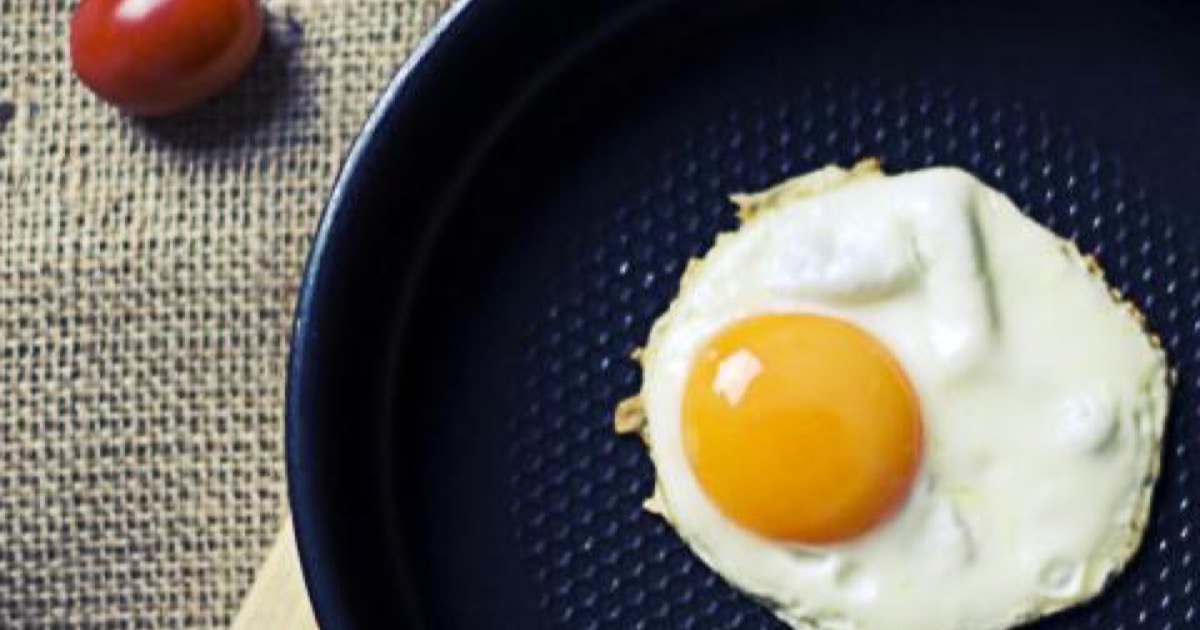
A high-protein breakfast means about 25 to 30 grams before you leave. Ten options with the protein and calories per portion, from USDA figures.

Research says logging frequency beats logging precision. How the four methods compare, which to start with, and a first week that survives month two.
Hand portions, the plate method, posted menu calories and photo logging: four no-scale ways to count, and where each one loses its accuracy.
A stalled scale usually means the deficit is smaller or shorter than it looks. The four common causes, in the order they are worth checking.

Health apps without an account keep their data on the device. What that buys you, what it costs you, and four tests that show which kind you installed.
Maintenance calories are the intake at which your weight holds. A formula estimates them; three weeks of eating and weighing measures them properly.
The 3,500-calorie rule is an estimate, not a law. Where the number came from, why it overshoots, and how to turn it into a weekly target that holds.
Calories vs macros: calories are the total energy in food, macros are the three nutrients carrying it. Which number to track, and what each one decides.
How to estimate portion sizes without a scale: palm for protein, cupped hand for carbs, thumb for fats, fist for vegetables, calibrated once by weighing.
The calorie counting mistakes that hide hundreds of calories a day: unlogged oil, drinks, servings read as portions, and weekends that never get logged.
Read a Nutrition Facts panel in four passes: servings per container, serving size, calories, then the FDA rule of 5 and 20 on the percent Daily Value.
Fifteen healthy snacks under 200 calories, with USDA calorie and protein figures per real portion, grouped by protein, produce and whole grains.
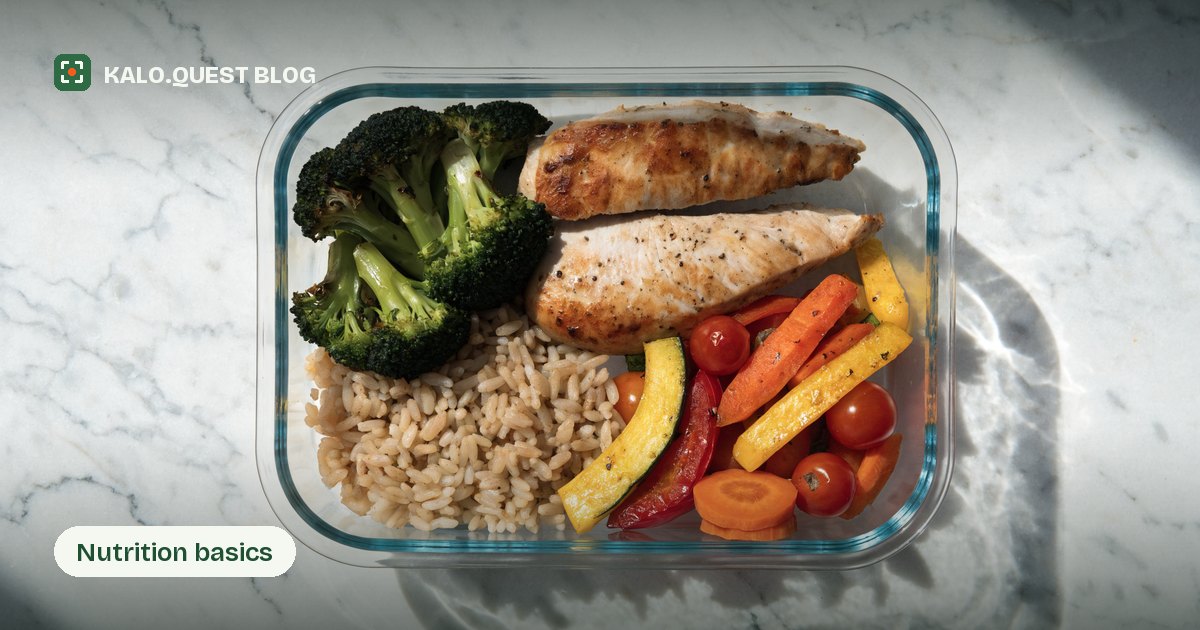
How many calories should you eat a day? Get your number from the Mifflin-St Jeor formula, adjust it for your goal, then let two weeks of data confirm it.
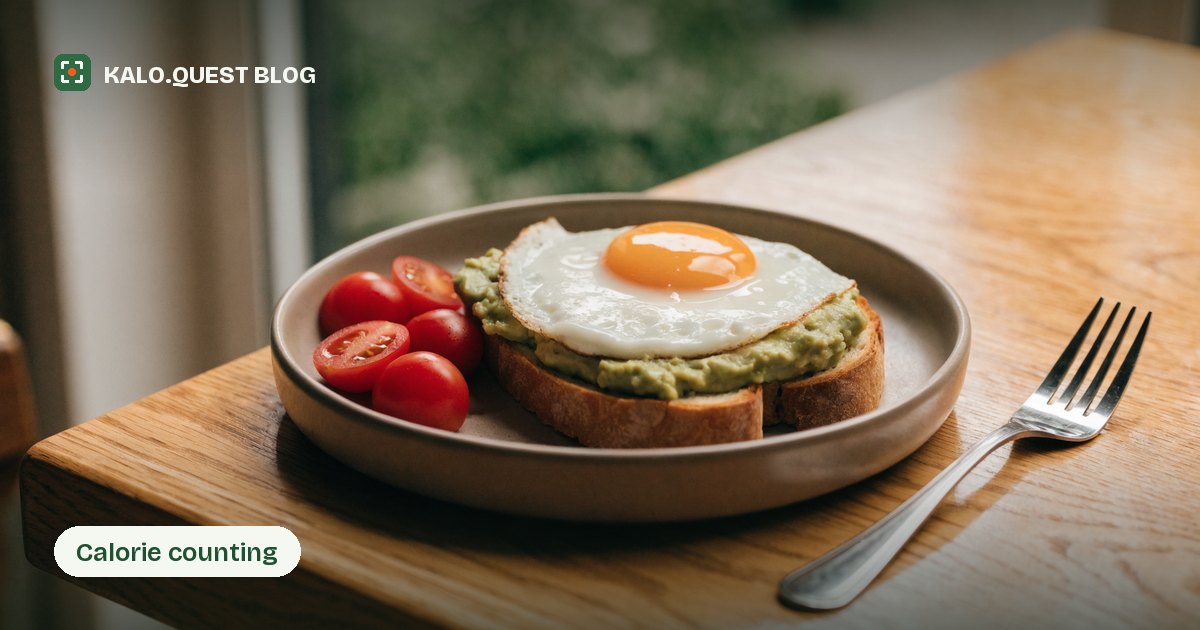
How to count calories from a photo: what the AI reads, how accurate the estimate is, and five habits that make your numbers far more reliable.
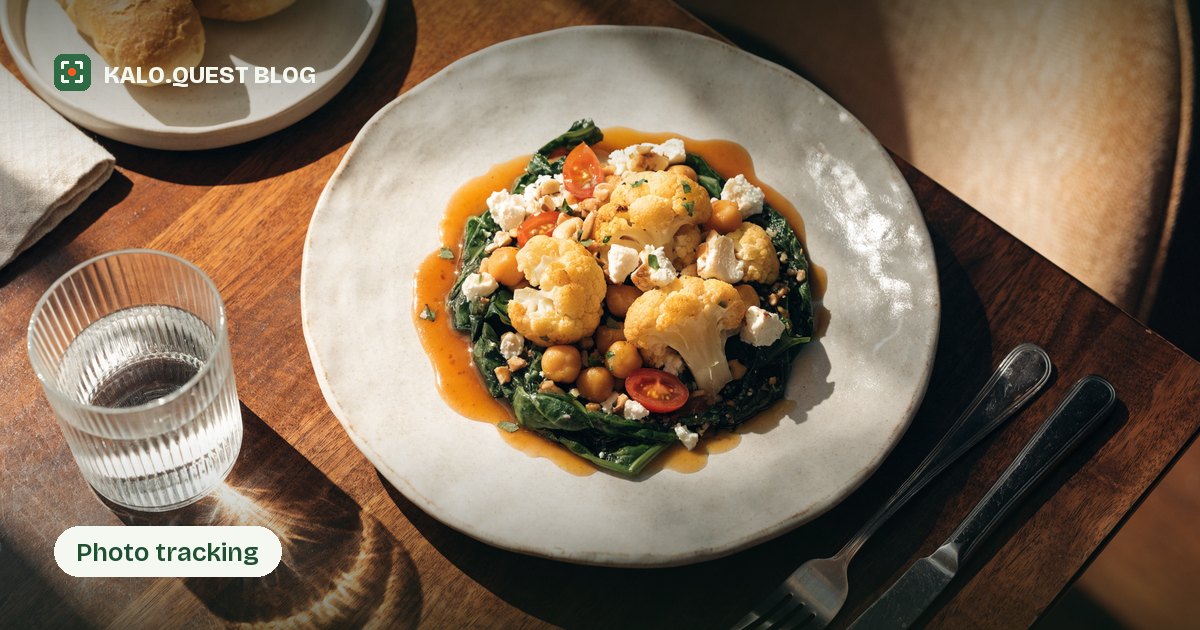
How to count calories when eating out: which US chains must post calories, what a restaurant meal really costs you, and how to estimate the rest.
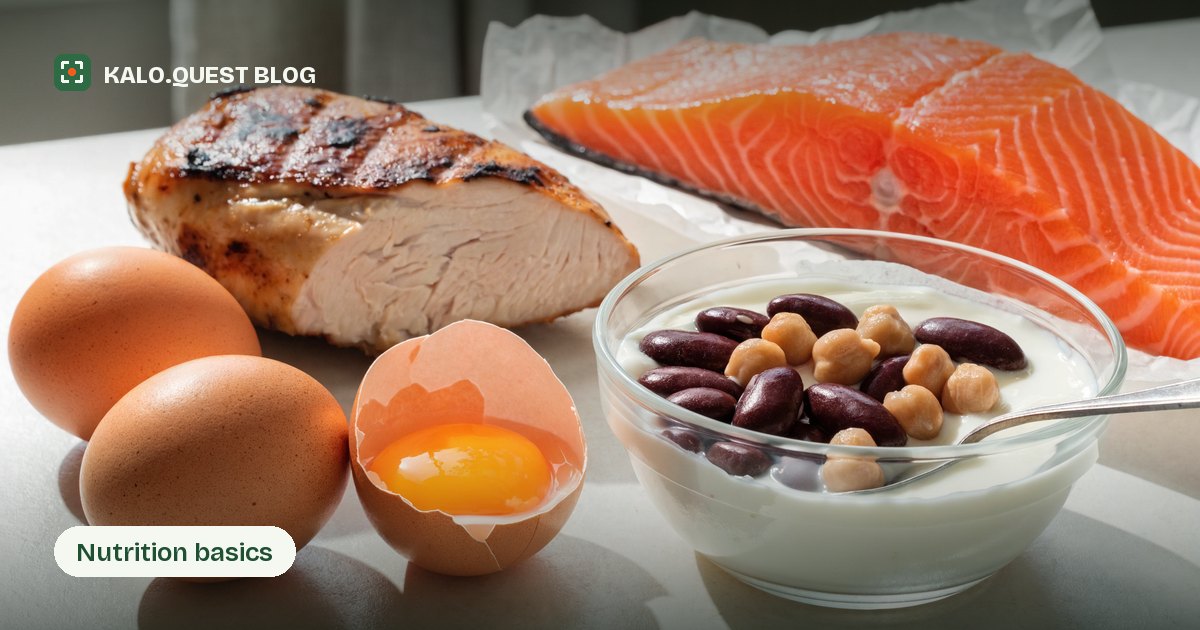
How much protein per day do you need? Start at the 0.8 g/kg RDA, then see the higher ranges for weight loss and training, with grams per real portion.
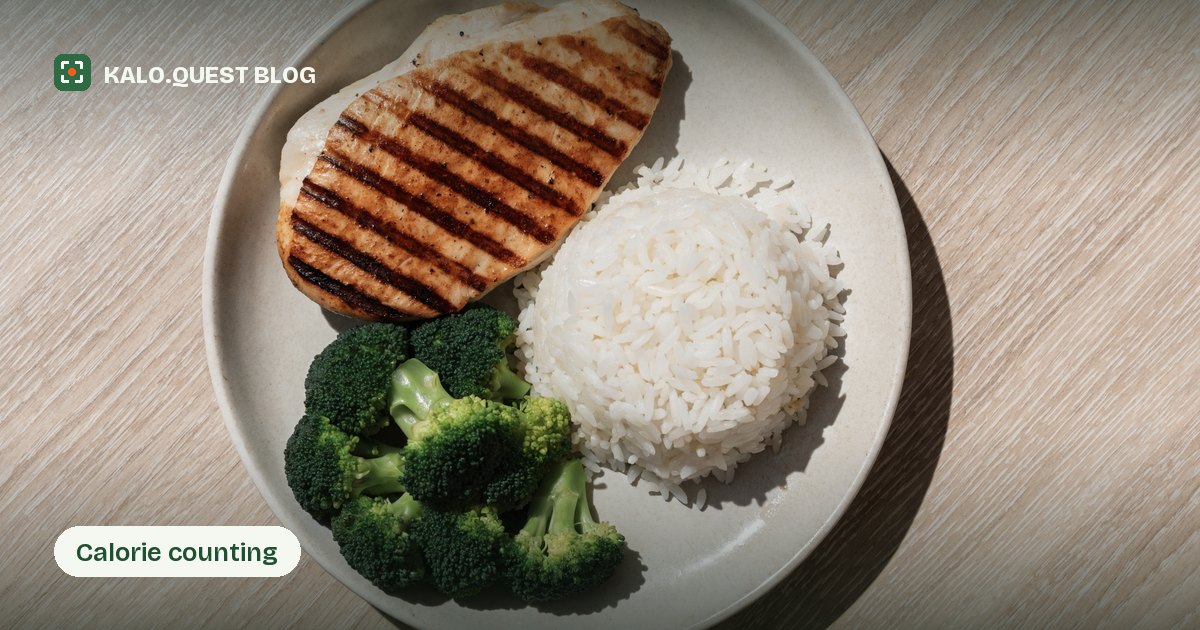
How to track macros without it taking over your day: set targets from your calories, log the big items, and let one photo return protein, carbs and fat.
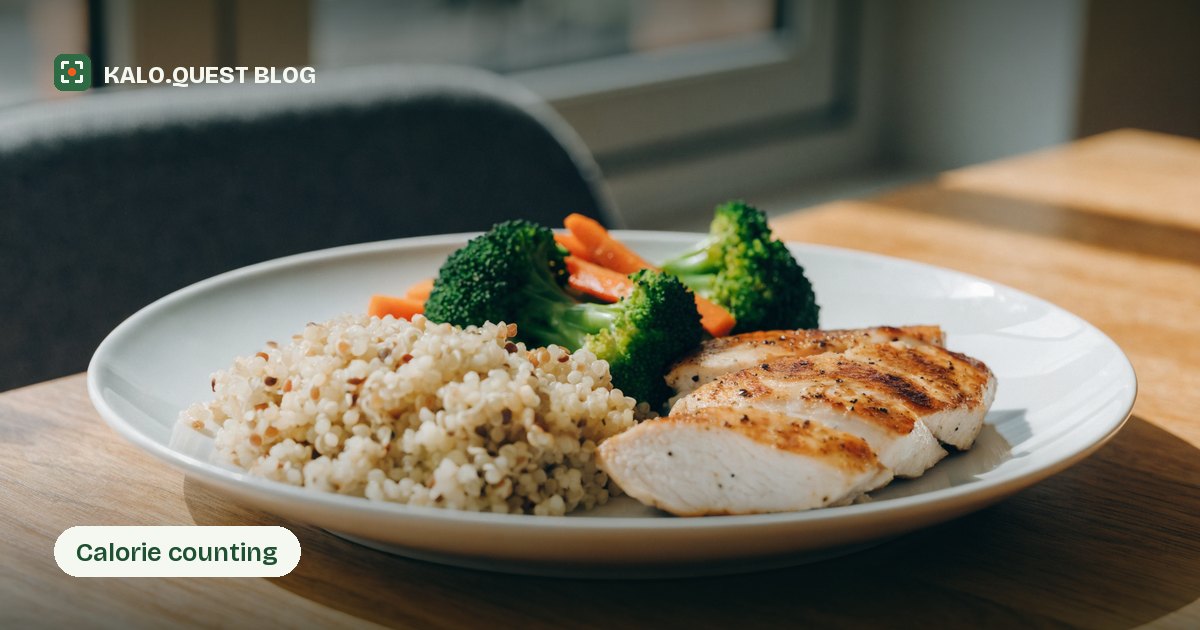
A calorie deficit means eating less than you burn. Here is how big to make it, how to tell it is real, and the safety limits that apply to it.
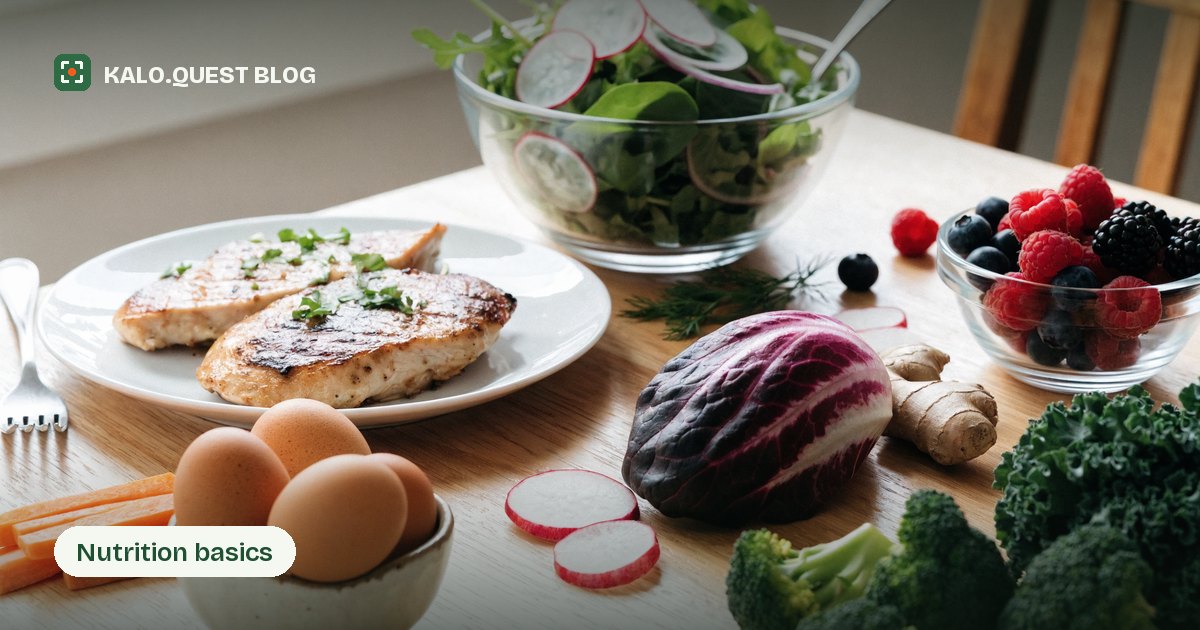
The best foods for weight loss keep you full on fewer calories. See the calories and protein per portion, the plate shape, and what to measure.