
The Best Way to Track Calories for Beginners
Research says logging frequency beats logging precision. How the four methods compare, which to start with, and a first week that survives month two.
Kalo.Quest Blog
Calorie counting is arithmetic before it is discipline: a daily number, a way to log what you eat, and enough consistency that two weeks of data mean something. These guides cover each part. They explain where a daily target comes from (the Mifflin-St Jeor equation, published in the American Journal of Clinical Nutrition in 1990, is the one behind most calculators), how to estimate a portion when there is no scale in the room, how to read the serving size on an FDA Nutrition Facts panel, and which everyday habits quietly hide a few hundred calories. General information, not medical advice.
15 guides · last updated October 3, 2026

Research says logging frequency beats logging precision. How the four methods compare, which to start with, and a first week that survives month two.
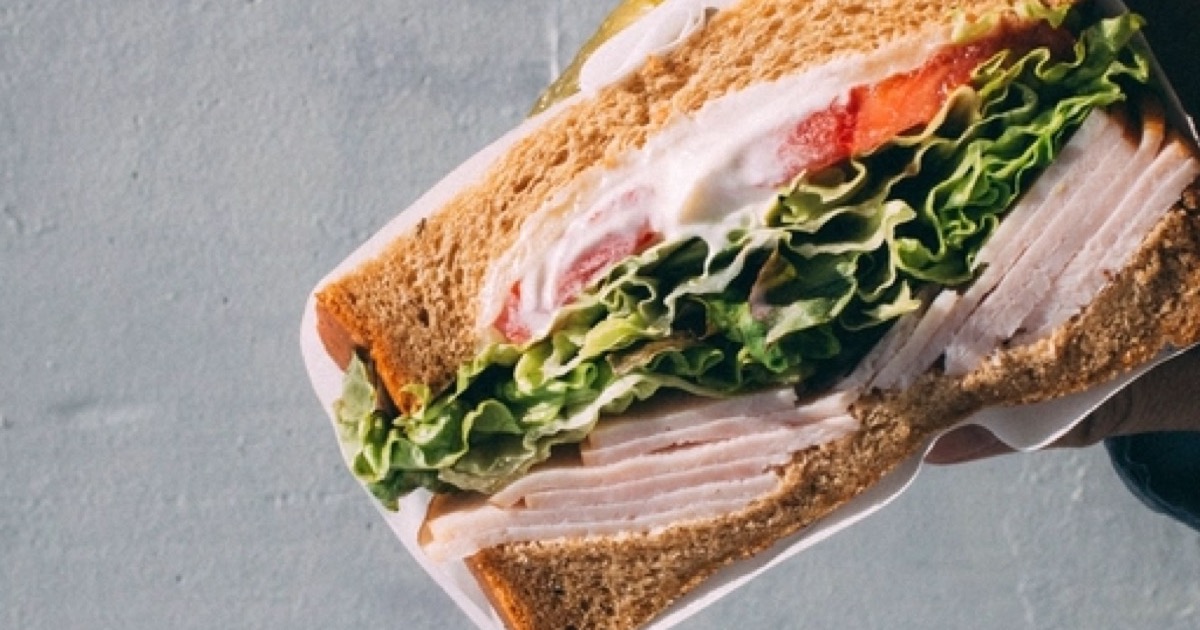
Hand portions, the plate method, posted menu calories and photo logging: four no-scale ways to count, and where each one loses its accuracy.

A stalled scale usually means the deficit is smaller or shorter than it looks. The four common causes, in the order they are worth checking.

Health apps without an account keep their data on the device. What that buys you, what it costs you, and four tests that show which kind you installed.

Maintenance calories are the intake at which your weight holds. A formula estimates them; three weeks of eating and weighing measures them properly.

The 3,500-calorie rule is an estimate, not a law. Where the number came from, why it overshoots, and how to turn it into a weekly target that holds.

Calories vs macros: calories are the total energy in food, macros are the three nutrients carrying it. Which number to track, and what each one decides.

How to estimate portion sizes without a scale: palm for protein, cupped hand for carbs, thumb for fats, fist for vegetables, calibrated once by weighing.

The calorie counting mistakes that hide hundreds of calories a day: unlogged oil, drinks, servings read as portions, and weekends that never get logged.
Read a Nutrition Facts panel in four passes: servings per container, serving size, calories, then the FDA rule of 5 and 20 on the percent Daily Value.
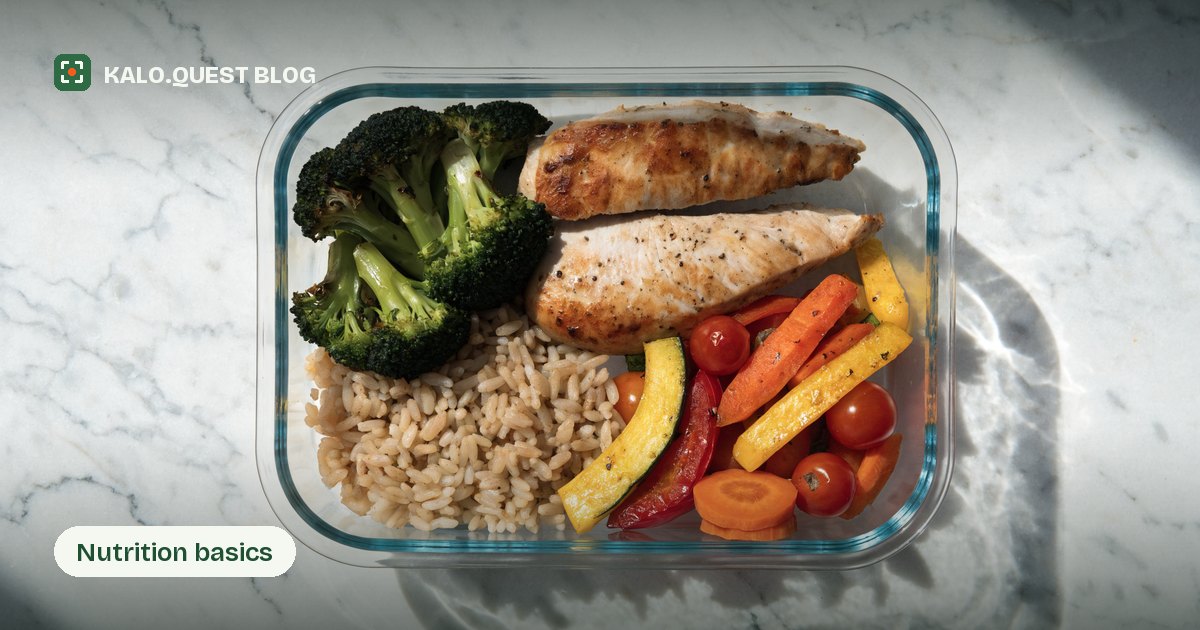
How many calories should you eat a day? Get your number from the Mifflin-St Jeor formula, adjust it for your goal, then let two weeks of data confirm it.

How to count calories from a photo: what the AI reads, how accurate the estimate is, and five habits that make your numbers far more reliable.

How to count calories when eating out: which US chains must post calories, what a restaurant meal really costs you, and how to estimate the rest.
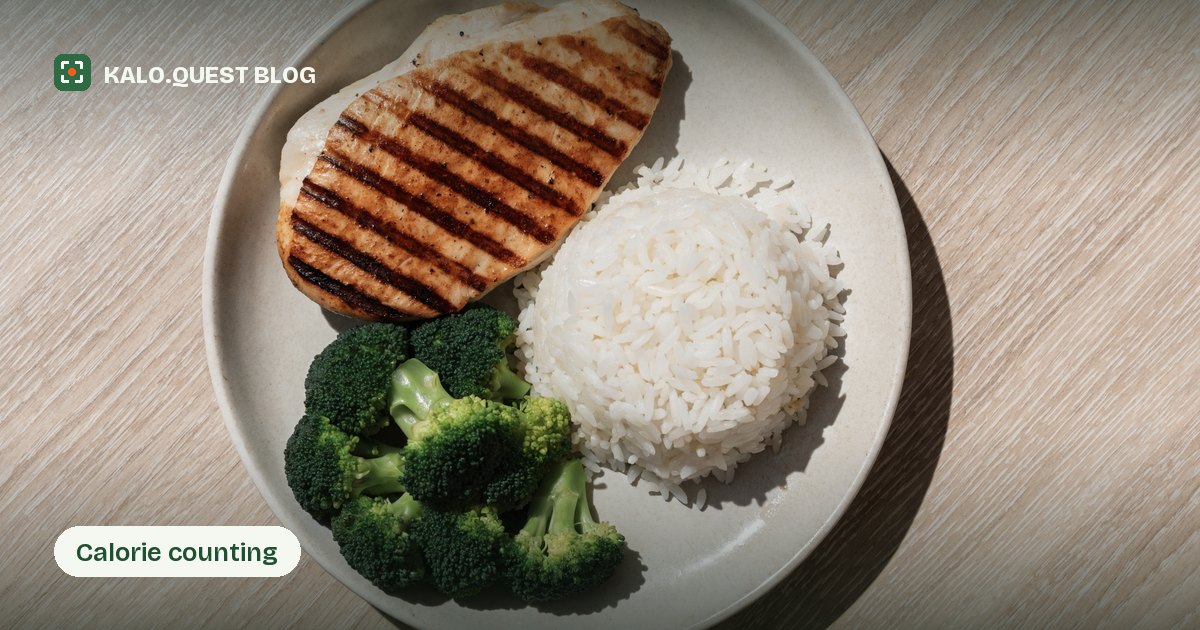
How to track macros without it taking over your day: set targets from your calories, log the big items, and let one photo return protein, carbs and fat.
A calorie deficit means eating less than you burn. Here is how big to make it, how to tell it is real, and the safety limits that apply to it.
One question from each guide below, answered here. Follow a question to the guide that works through it in full.
Three weeks, read as three weekly weight averages against three weeks of logs. Anything shorter is dominated by water and glycogen shifts rather than by energy balance. After that first block, most people find the daily work drops sharply, which matches the Harvey finding that average logging time fell from 23.2 minutes a day in month one to 14.6 minutes by month six.
The Best Way to Track Calories for Beginners →Expect to be within roughly a quarter of the true amount on solid foods, and further off on anything mixed, fried or sauced. That level of error is tolerable because it repeats: if you overestimate rice by the same margin every day, the trend on the scale is still honest. What breaks a log is not the size of the error but its variability, and the meals you never record at all.
How to Track Calories Without Weighing Your Food →Yes, on the scale and for short periods. Salt, carbohydrate refeeding, a new training program, poor sleep and constipation all add water or mass without adding fat, and any of them can outweigh a week of fat loss. Kreitzman and colleagues documented the glycogen and water version of this in 1992. Read weekly averages across three weeks before treating an increase as real.
Why Am I Not Losing Weight in a Calorie Deficit? →They remove one category of risk completely: with no server holding your history, no server breach can expose it. They do nothing about a lost or unlocked phone, which becomes the single copy of everything. Set a passcode and keep the system backup on.
Health Apps Without an Account: What Stays on Your Phone →Three weeks of consistent eating and daily weighing, read as three weekly averages. Shorter windows are dominated by water and glycogen shifts rather than by energy balance, which is why a flat week or a heavy week proves very little on its own. If the three weekly averages hold within about a pound, the intake you ate is your maintenance level.
Maintenance Calories: What They Are and How to Find Yours →It is right about tissue and wrong about time. A pound of body fat really does hold about 3,500 calories, the figure Wishnofsky published in 1958. Applied as a weekly forecast it overshoots, because expenditure falls as body weight falls. Thomas and colleagues demonstrated the overestimate against supervised trials in 2013 and recommended dynamic models instead. Keep the rule for setting a target, not for predicting a date.
How Many Calories to Lose a Pound? →Yes, but only because macros contain calories. Hitting fixed gram targets for protein, carbohydrate and fat fixes the calorie total automatically, since the three multiply out at 4, 9 and 4 calories per gram. Tracking macros without noticing the total is not a different mechanism, it is the same mechanism with an extra step and more room for arithmetic to slip.
Calories vs Macros: What's the Difference? →For most people, yes, provided it is calibrated once and used consistently. Direction matters more than precision: a method that is 15% off in the same direction every day still shows a real trend on the scale over a month. What defeats weight loss is not a rough estimate, it is an incomplete log with meals missing from it entirely.
How to Estimate Portion Sizes With Your Hand →The published estimates are large. Lichtman and colleagues measured a gap of just over 1,000 calories a day between what participants reported and what they ate, and the CDC's 145-calorie daily average from sugar-sweetened beverages is one item inside a gap that size. A deficit of 500 calories a day disappears entirely inside errors of that scale.
7 Common Calorie Counting Mistakes (and How to Fix Them) →Yes, in the United States. Total Carbohydrate on the FDA panel includes dietary fiber, and fiber grams are listed underneath as a subcategory rather than deducted. The "net carbs" figure some brands print on the front of the box is not an FDA-defined term and does not appear on the Nutrition Facts panel, so it cannot be compared across products the way %DV can.
How to Read a Nutrition Label (Without Overthinking It) →On a nutrition label, yes. One food Calorie equals one kilocalorie, which is 1,000 of the small calories used in physics. American labels write "Calories" and most scientific sources write "kcal" for the same quantity, which is why USDA FoodData Central lists energy in kcal. A 500-kcal meal and a 500-Calorie meal are identical.
How Many Calories Should You Eat a Day? →No. The image has to be analyzed on a server, so the phone needs a connection at the moment you submit the photo. Everything else in Kalo.Quest works offline: the day's log, the weight and activity history, the weekly and monthly averages, and the progress photos, which stay on the phone. Only the analysis step requires a network.
How to Count Calories From a Photo Accurately →