Healthy High-Calorie Foods for Gaining Weight
Healthy high-calorie foods pack energy into small volume without displacing nutrition. USDA numbers per portion, plus how to add calories to meals.
Healthy high-calorie foods carry a lot of energy in a small volume and still bring protein, unsaturated fat or fiber: olive oil, nuts and nut butters, seeds, avocado, oats, whole-milk dairy, oily fish and dried fruit. USDA FoodData Central lists olive oil at 884 calories per 100 grams, against 61 for whole milk.
Key takeaways
- One tablespoon of olive oil adds about 119 calories and almost nothing to the volume on the plate.
- Gaining weight is usually limited by how much food fits, not by willingness to eat, which is why energy density is the lever.
- Harvard T.H. Chan School of Public Health reports a 14% lower risk of cardiovascular disease among people eating an ounce of nuts five or more times a week.
- A homemade blend of whole milk, oats, peanut butter and a banana lands near 600 calories on USDA figures, for a fraction of the price of a commercial powder.
- A body mass index under 18.5 is the CDC’s underweight category, and unexplained weight loss belongs with a physician rather than with a food list.
This is general information for healthy adults, not medical advice, and it does not replace a doctor or a registered dietitian.
What makes a high-calorie food a healthy one?
Two properties at once. It has to be energy dense, meaning a high number of calories per gram, and it has to bring something else along: protein, unsaturated fat, fiber, vitamins or minerals. Candy, soda and fried snacks satisfy the first condition and fail the second. That distinction is what separates healthy high-calorie foods from the shortcut.
Energy density is the whole mechanism. Someone struggling to gain weight is usually limited by how much food fits, not by willingness to eat. Adding a tablespoon of olive oil to a dish adds 119 calories and roughly nothing to the volume on the plate. Adding a cup of steamed broccoli adds 55 calories and a considerable amount of volume, which is exactly why it belongs in the opposite article.
Which healthy high-calorie foods pack the most energy per gram?
All figures are from USDA FoodData Central. The middle column is the energy density; the right-hand column is what the food brings besides calories.
| Food | Calories per 100 g | Common portion | Also supplies |
|---|---|---|---|
| Olive oil | 884 | 1 tbsp = 119 cal | Monounsaturated fat, vitamin E |
| Walnuts | 654 | 1 oz = 185 cal | Omega-3 fat, 1.9 g fiber |
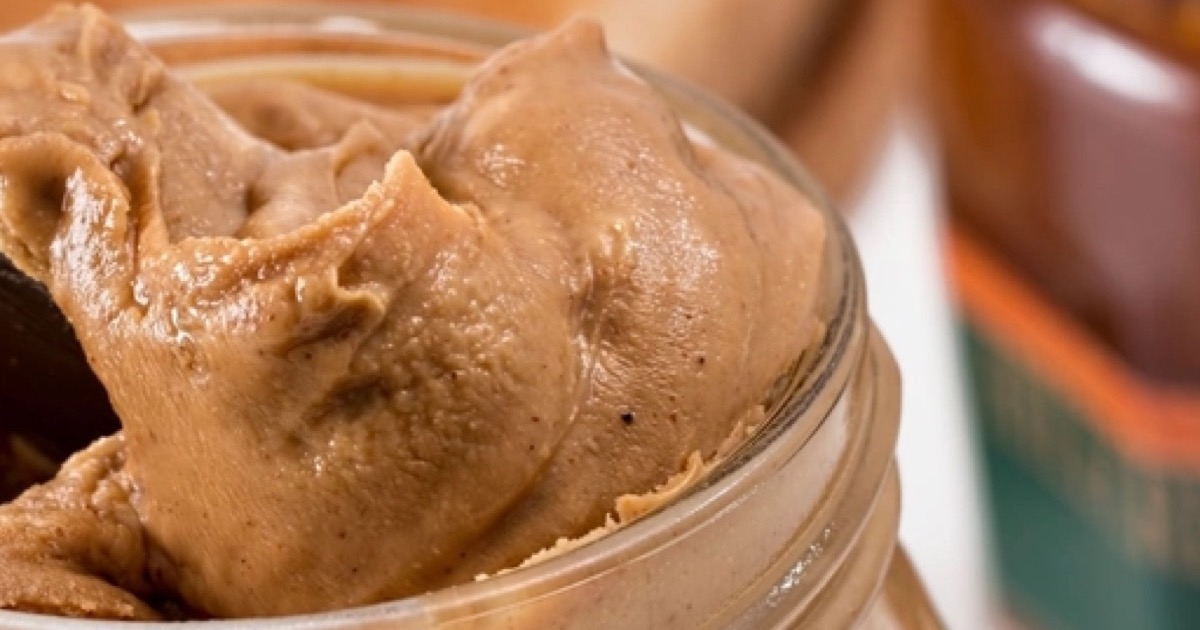
| Peanut butter | 588 | 2 tbsp = 188 cal | 7 g protein |
| Almonds | 579 | 1 oz = 164 cal | 6 g protein, 3.5 g fiber |
| Sunflower seeds | 584 | 1 oz = 165 cal | 5.5 g protein, vitamin E |
| Chia seeds | 486 | 1 oz = 138 cal | 9.8 g fiber |
| Raisins | 299 | 1/4 cup = 123 cal | Potassium, 1.5 g fiber |
| Medjool dates | 277 | 1 date = 66 cal | 1.6 g fiber |
| Rolled oats, dry | 379 | 1/2 cup = 152 cal | 5.3 g protein, 4 g fiber |
| Cheddar cheese | 403 | 1 oz = 115 cal | 7 g protein, calcium |
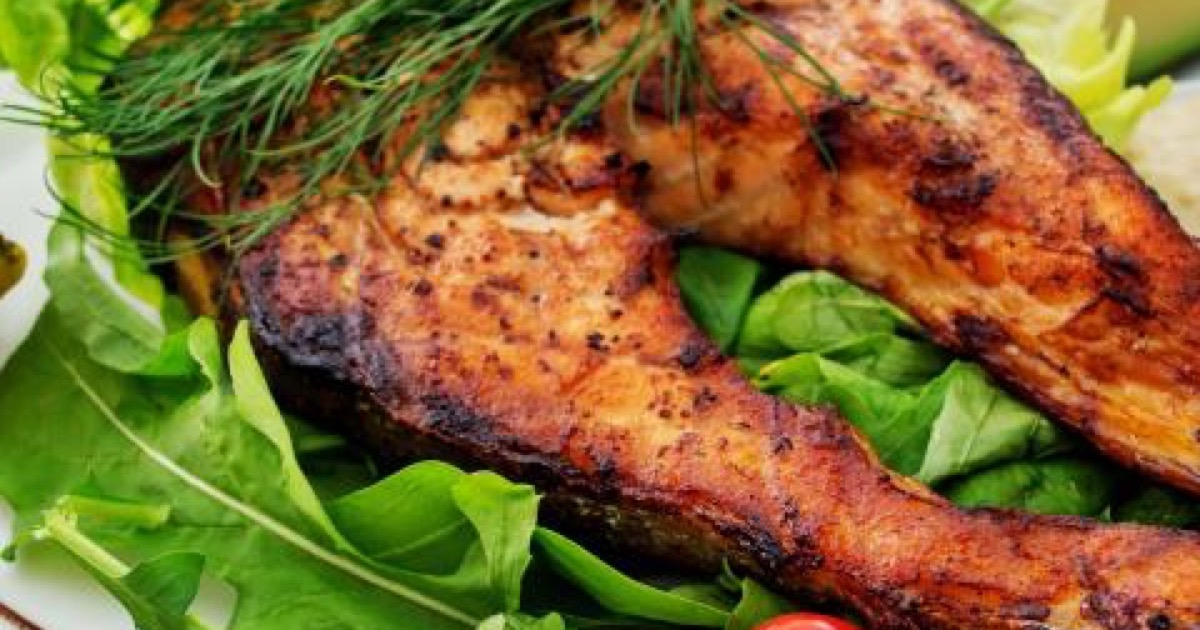
| Salmon, farmed, cooked | 206 | 3 oz = 175 cal | 19 g protein, omega-3 fat |
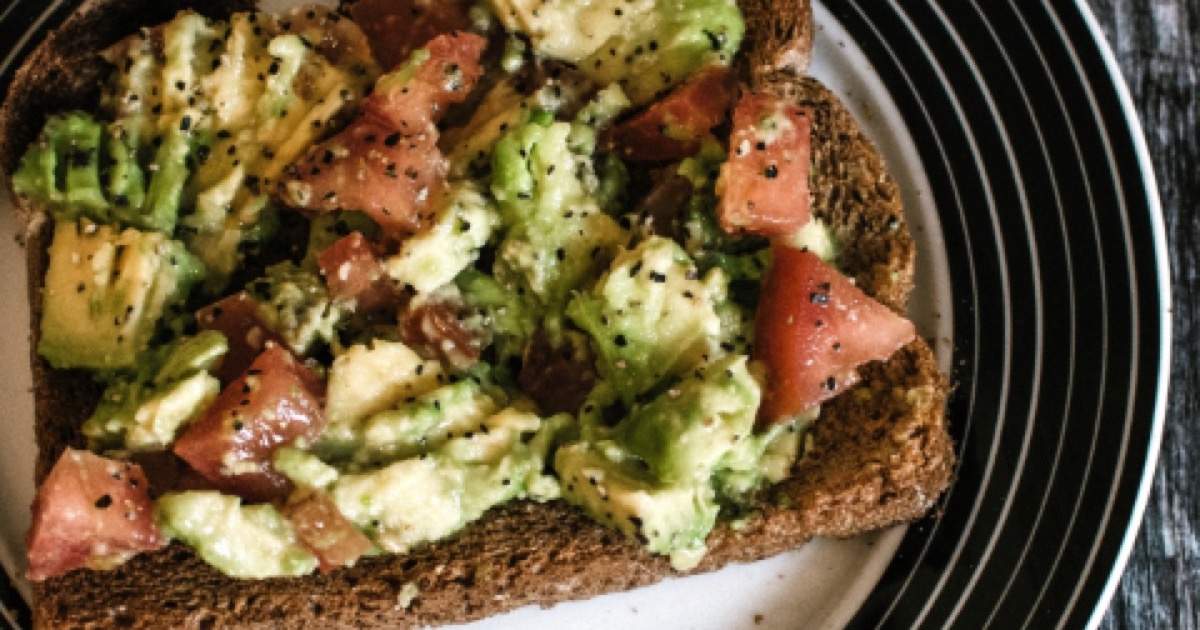
| Avocado | 160 | 1/2 fruit = 160 cal | 6.7 g fiber, potassium |
| Whole milk | 61 | 1 cup = 149 cal | 7.7 g protein, calcium |
The top of the table is where the leverage is. Three tablespoons of olive oil spread across a day is 357 calories that nobody notices eating. Two ounces of walnuts and a quarter cup of raisins is another 493. Whole milk sits at the bottom on density and near the top on practicality, because liquids bypass the volume problem in a different way.
How do you add calories without adding bulk?
Six moves, in rough order of how little they change a meal:
- Cook in oil rather than water or broth. Each tablespoon adds about 119 calories and no volume.
- Drink calories with meals rather than water. A cup of whole milk with dinner is 149 calories and 7.7 grams of protein.
- Put nut butter on things you already eat. Two tablespoons on toast, in oatmeal or in a smoothie is 188 calories.
- Choose the full-fat version of dairy you already buy. Whole-milk plain yogurt runs about 149 calories a cup against 133 for nonfat Greek yogurt, and both carry useful protein.
- Add dried fruit and seeds to breakfast. A quarter cup of raisins and an ounce of sunflower seeds on oatmeal is 288 calories on top of the 152 in the oats.
- Eat more often rather than more at once. Four modest meals are easier to finish than three large ones when appetite is the limiting factor.
Protein still matters during a gain, because the goal is usually muscle rather than fat. The tables in the article on the best high-protein foods pair naturally with this one, and tracking macros for a couple of weeks tells you whether the extra calories are arriving with enough protein attached.
What does the evidence say about nuts and fats specifically?
Nuts are the clearest case in the category. Harvard T.H. Chan School of Public Health, on its page on nuts and the heart, states that people who ate one ounce of nuts five or more times per week had a 14% lower risk of cardiovascular disease and a 20% lower risk of coronary heart disease, and suggests four to seven servings a week within a healthy diet as a reasonable amount.
The same page illustrates how quickly the calories accumulate: at an average of 185 calories per ounce, Harvard notes that a daily handful of walnuts could add ten pounds or more over a year if nothing else changes. Harvard states that as a caution against adding nuts on top of an unchanged diet. Read in the other direction, it is a measure of how little room a useful number of calories takes up.
On fat quality, The Nutrition Source advises choosing foods with unsaturated fats, limiting foods high in saturated fat, and avoiding trans fat, and recommends healthy oils such as olive and canola for cooking. It also reports finding no link between the overall percentage of calories from fat and any important health outcome, which is why a high-fat approach to gaining weight is defensible when the fats are the right ones.
What this article does not cover
This article does not diagnose anything and does not prescribe a gain. The Centers for Disease Control and Prevention classifies a body mass index under 18.5 as underweight for adults, and unintentional weight loss, a persistent lack of appetite, or difficulty gaining despite eating more are reasons to see a physician rather than to read a food list. Nothing here applies to pregnancy, breastfeeding, children or adolescents, or to anyone with a history of disordered eating, all of whom need individual guidance. To work out the daily number these foods are meant to exceed, see how many calories you should eat a day.
Kalo.Quest is an app on Google Play and the App Store that returns calories, protein, carbohydrates and fat from one photo of the plate, logged into the day’s journal alongside a daily calorie goal built from your profile and your weight goal. It is free and ad supported, with 5 free AI analyses a day, then 3 more per rewarded video. There is no account to create.
FAQ
How many extra calories does gaining weight take?
There is no single figure that holds for everyone, because the response to extra calories varies with activity, body composition and how much of the gain is muscle. The workable method is to establish your current maintenance intake first, add a modest surplus, and adjust after two or three weeks of weight data rather than after two or three days. A physician or registered dietitian is the right source for a personal number.
Are weight-gain shakes better than food?
They are more convenient and rarely more nutritious. A homemade blend of whole milk, oats, peanut butter and a banana lands in the 600-calorie region using the USDA figures above, and costs a fraction of a commercial powder. Liquids are genuinely useful when appetite is the limit, because they empty from the stomach faster than solid food of the same energy.
Can you gain weight on a plant-based diet?
Yes, and the energy-dense foods in the table above are mostly plants already: olive oil, nuts, nut butters, seeds, avocado, oats and dried fruit. The adjustment is protein rather than calories, since plant protein sources generally arrive with more volume per gram. Soy foods, lentils and seeds carry the load, and fortified soy milk substitutes for whole milk with a similar calorie count.
This article is general information, not medical advice. For personal guidance, talk to a healthcare professional.